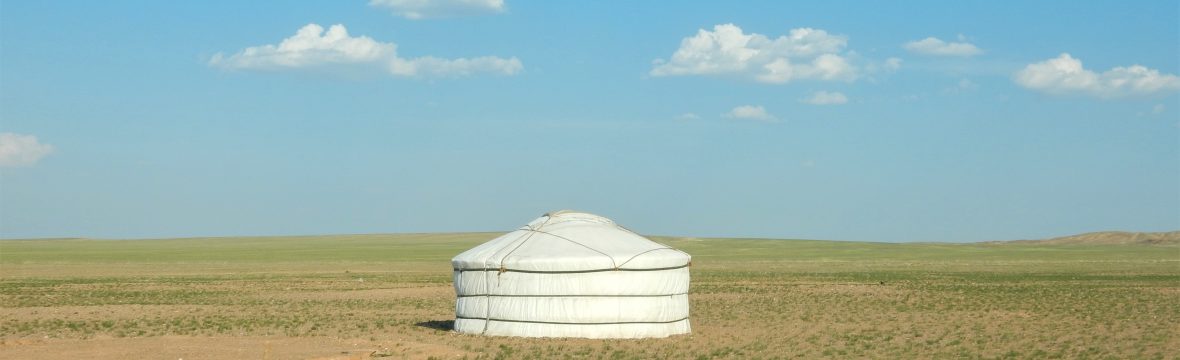
After leaving Warsaw, birch trees and green fields dominated the landscape. Kilometre after kilometre, train after train, the window would show me different variations on the same scenery, interrupted time and again by small villages with brick and wooden houses. The train would ride for hours without coming across a big city. But when it did, it was likely to be my next stop.
Vladimir
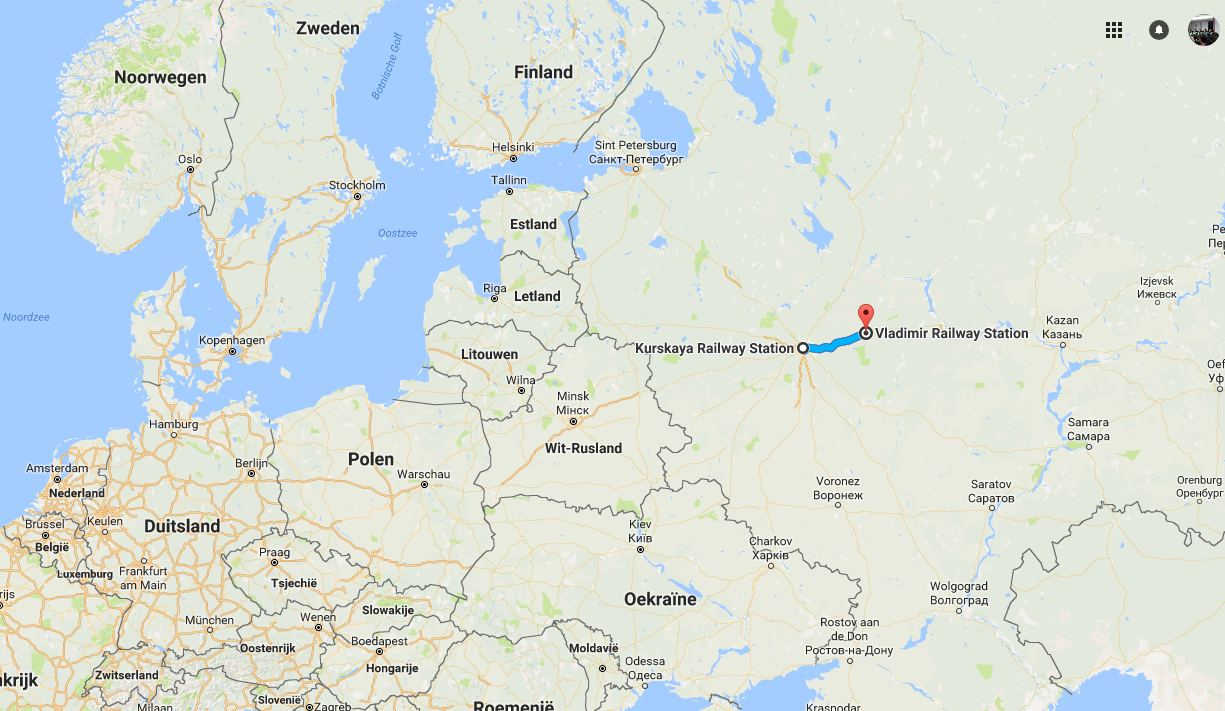
The main reason why I stopped in Vladimir, was for taking the bus from there to the little town of Suzdal, which has no railway station. But before hopping on that bus, I checked out the major sights of the city: two cathedrals (the Assumption Cathedral and the Cathedral of St Dmitry).
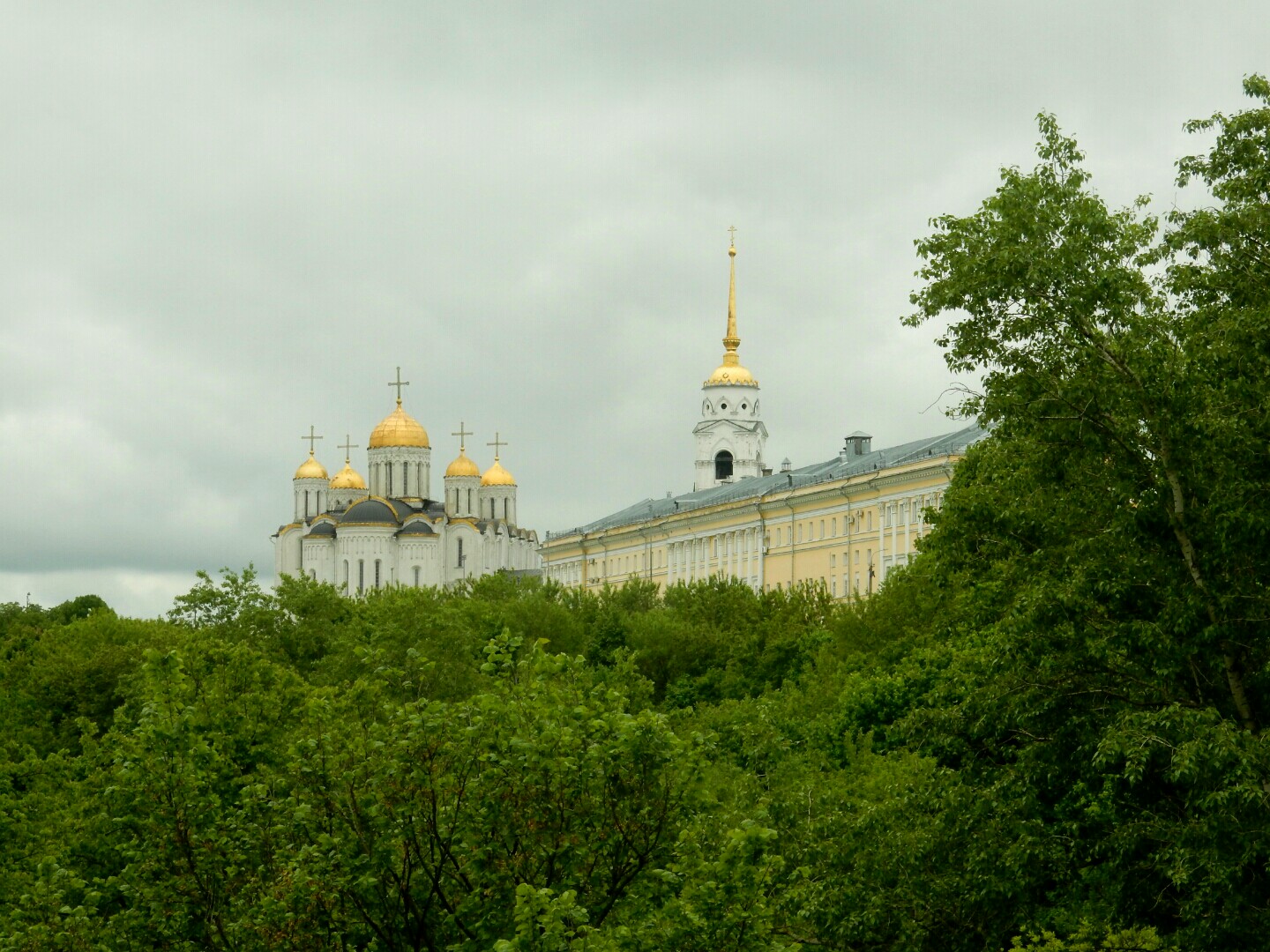
Assumption Cathedral
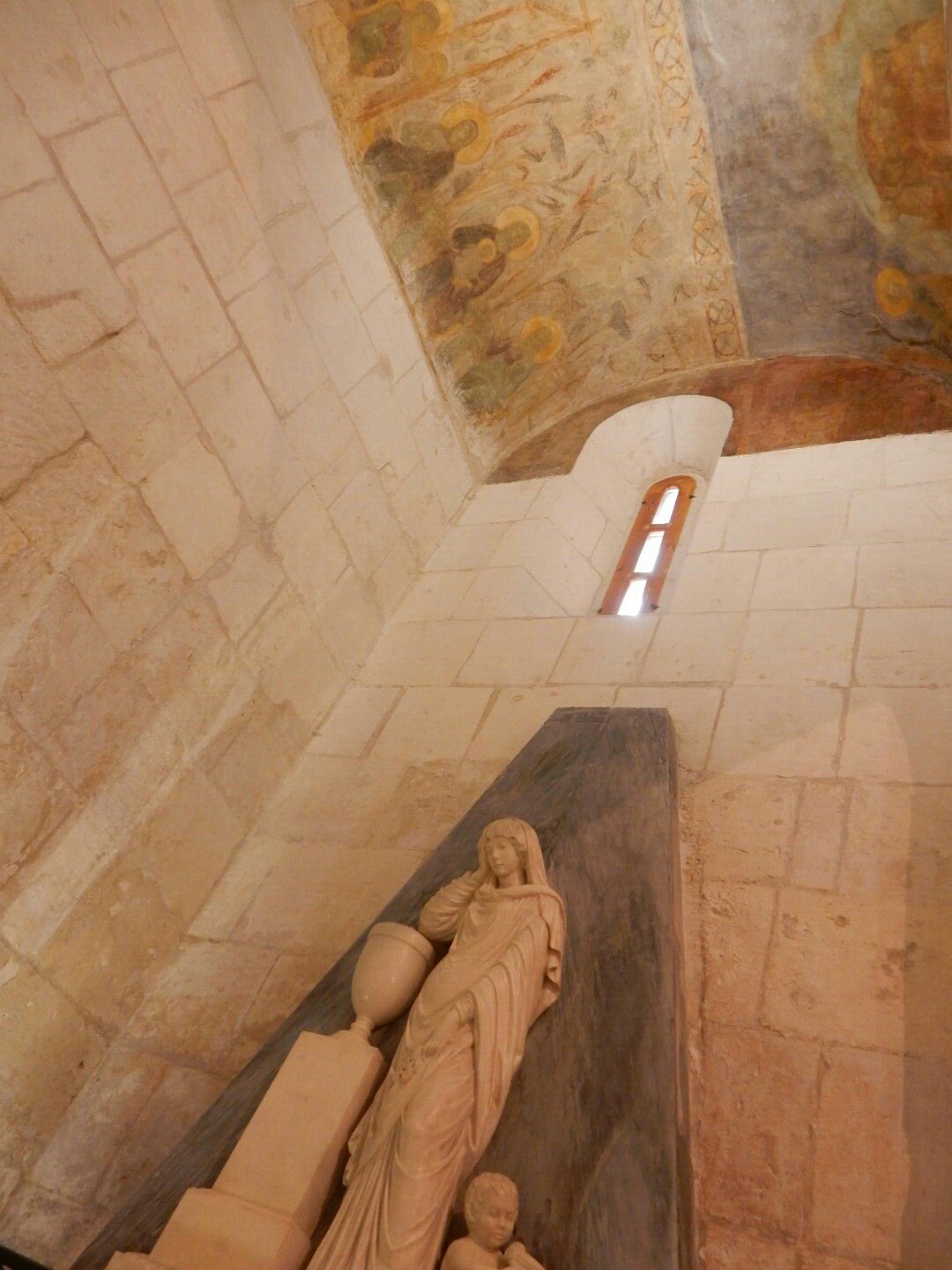 Cathedral of St. Dmitry
Suzdal
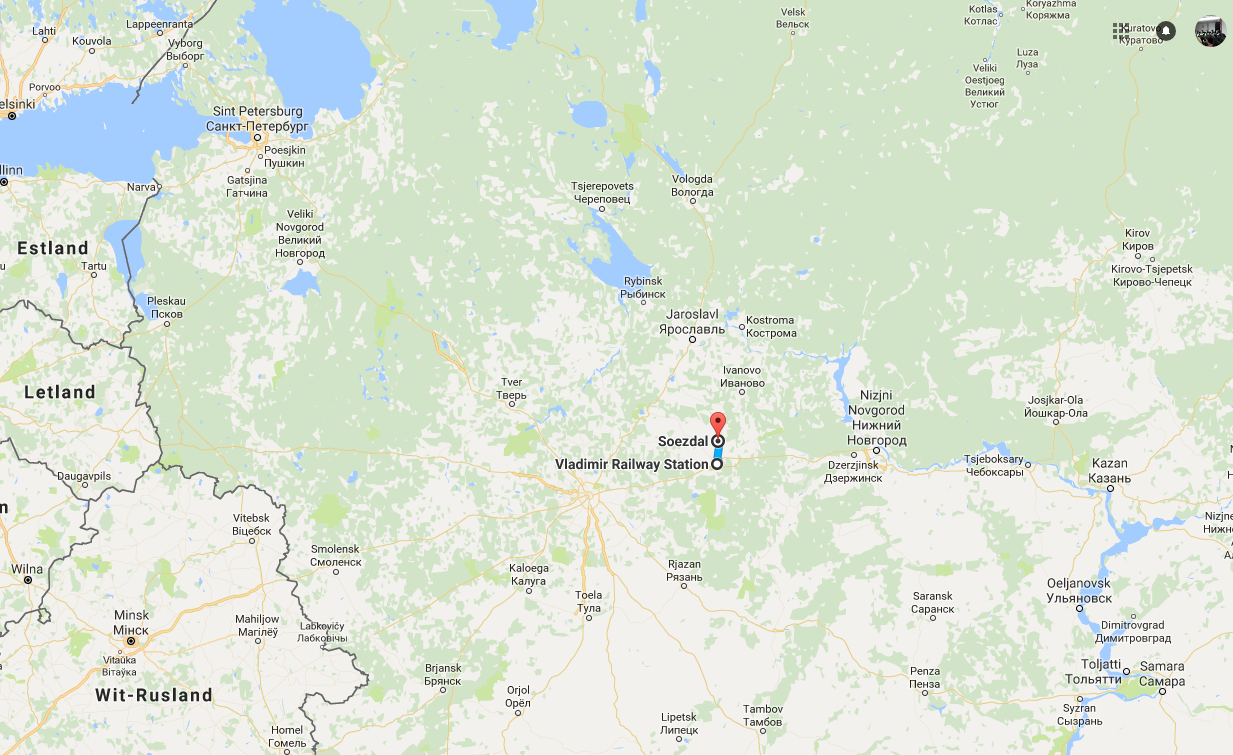
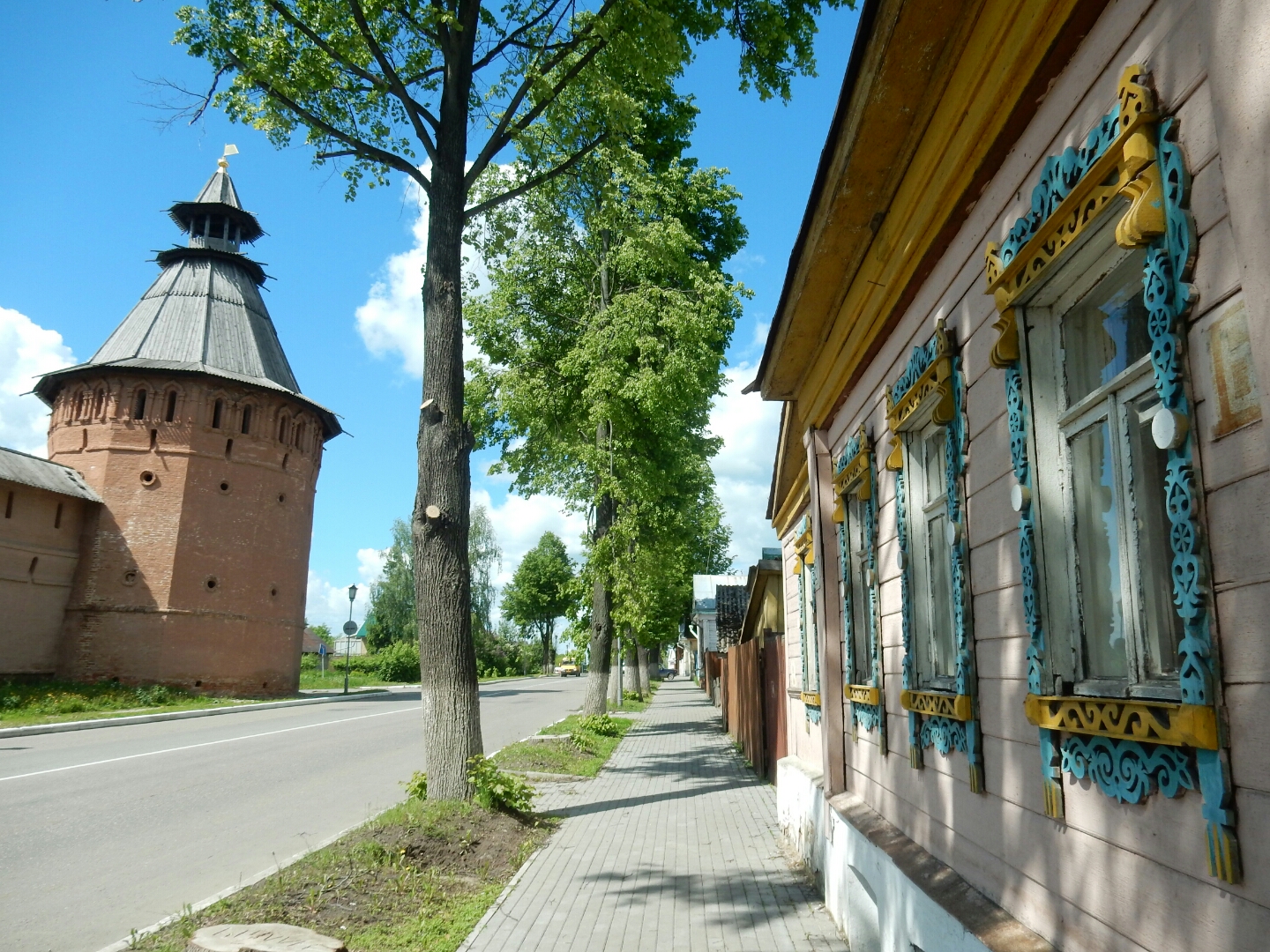
Suzdal wasn’t included in the first version of my Transsiberian itinerary. I added it after consulting the Lonely Planet, which was highly enthusiastic about it. Dating back to the 12th century, the town was once a royal capital, a monastic centre and a commercial hub later on. As it lost importance, the Transsiberian railway connected with Vladimir instead, and Suzdal remained almost untouched by the 20th century. I went to see it with my own eyes and I fell completely in love.
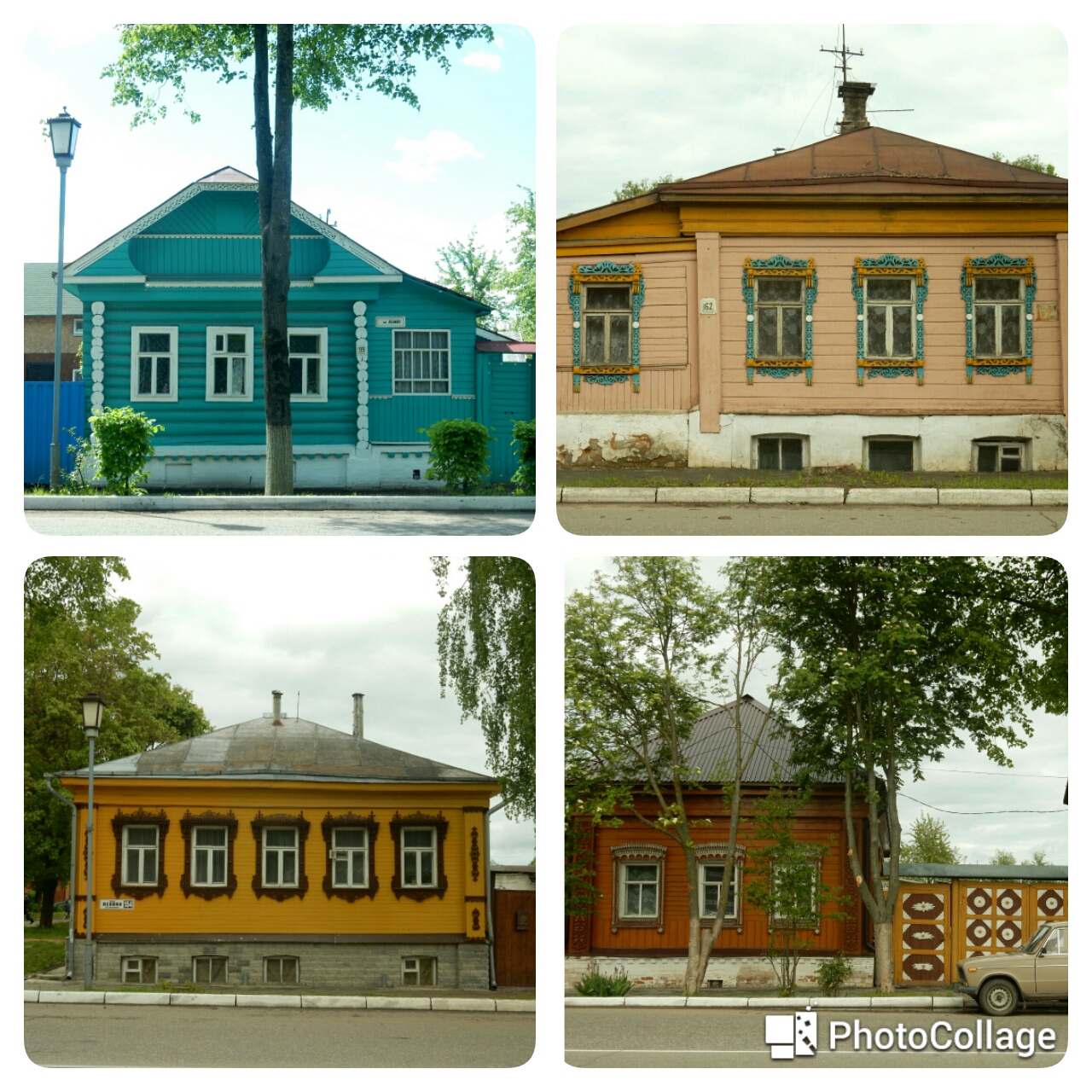
While I was observing the colourful, traditional wooden houses that line the streets, I kept stumbling upon old and cute churches, with their typical onion-shaped domes. A river crosses the village, turning the scenery into a true fairytale. Absolutely my favourite stop so far!

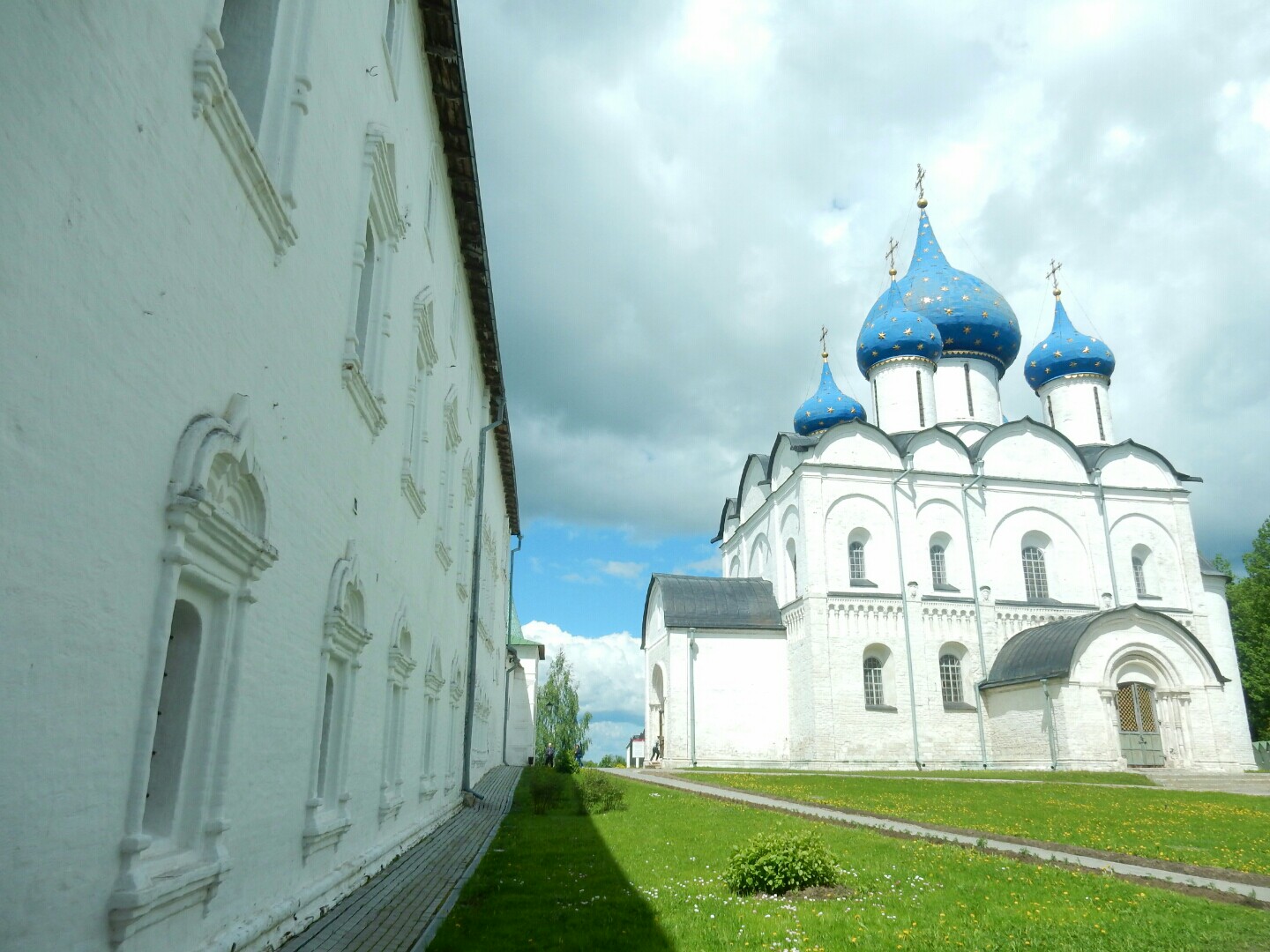
Suzdal Kremlin
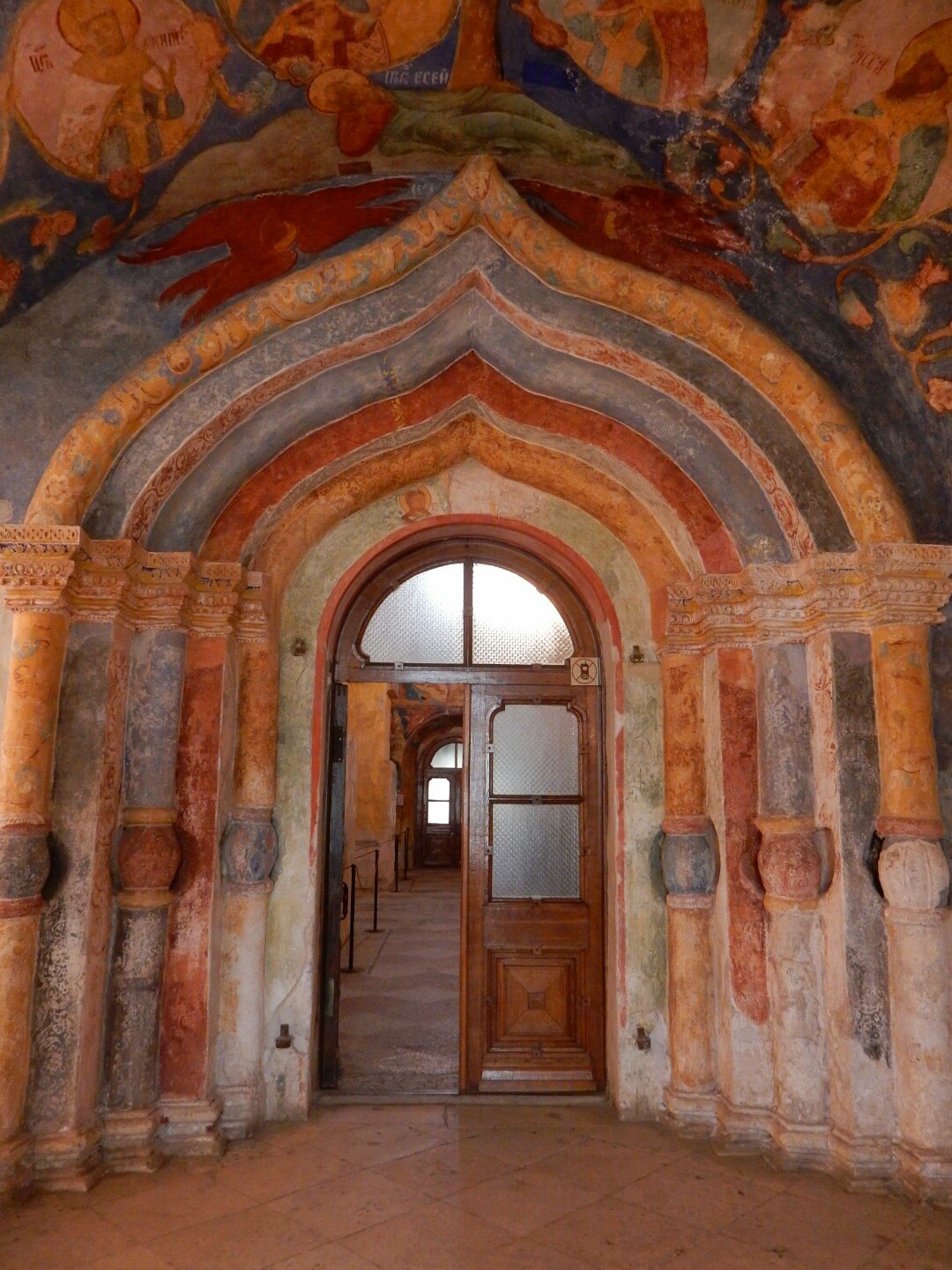
Inside the Cathedral of the Transfiguration of the Saviour ( within the Saviour Monastery of St. Euthymius)
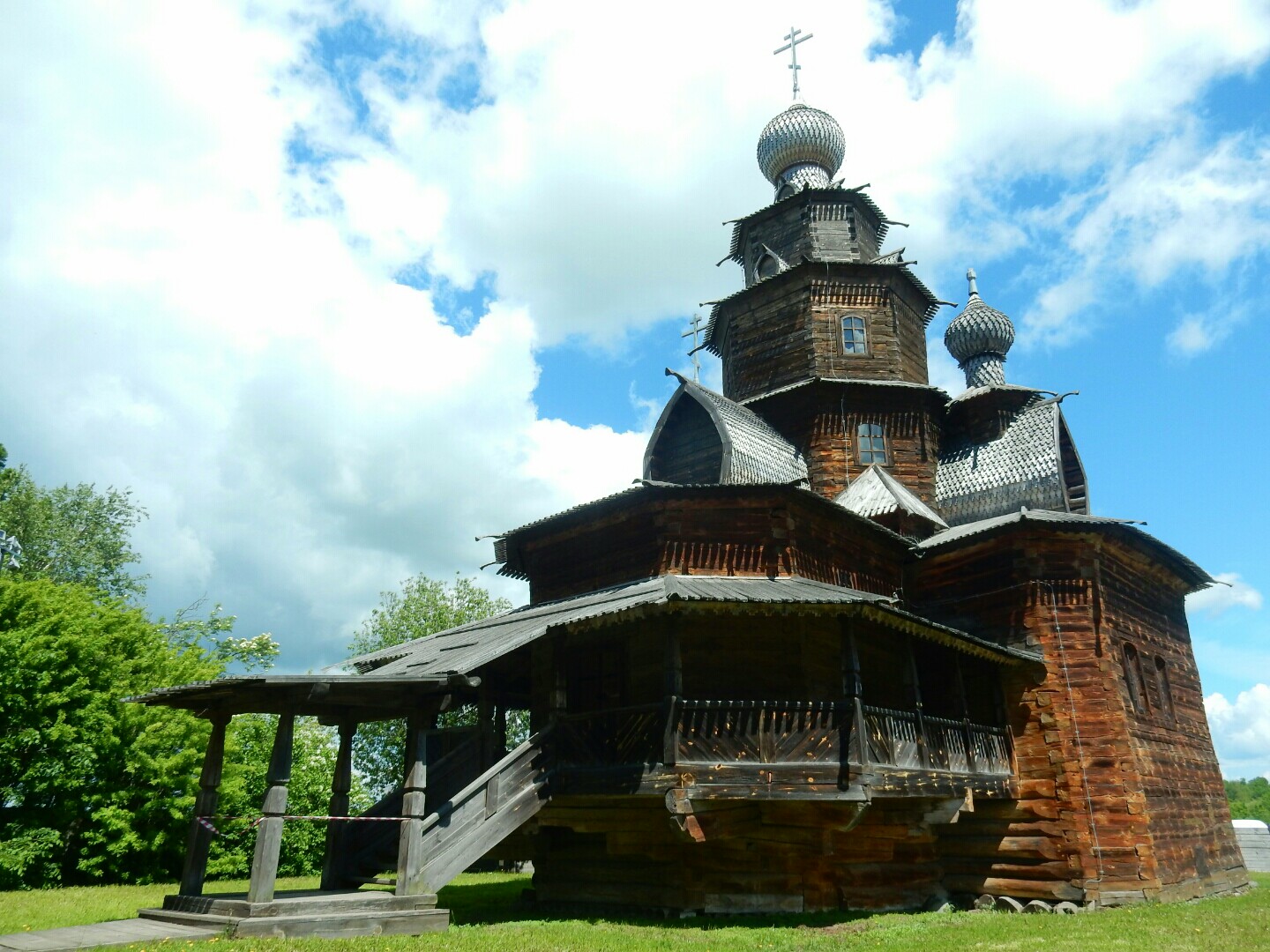
Wooden church in the open-air Museum of Wooden Architecture & Peasant Life
Kazan
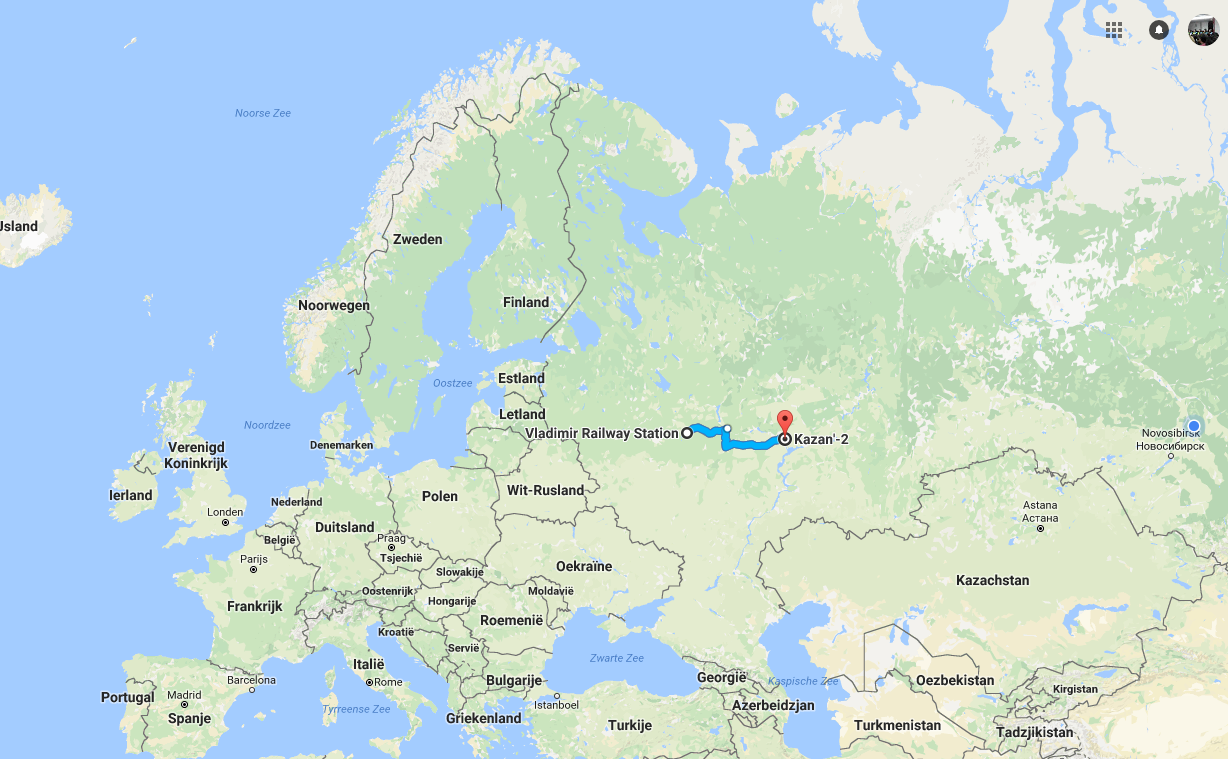
I can’t really say why, but Kazan felt like such an unlikely place to be in. Like as if you wanted to point out a totally random place on the world map, that’s where you would land. Mentioned sideways by Lonely Planet as an alternative route to travel to Yekaterinburg, I found it a quite interesting place to discover. The capital of the region of Tatarstan, which was independent centuries ago (before ravaged by Ivan the Terrible in the 16th century), breathes a lot of history and, yes, Tatar pride I would say.
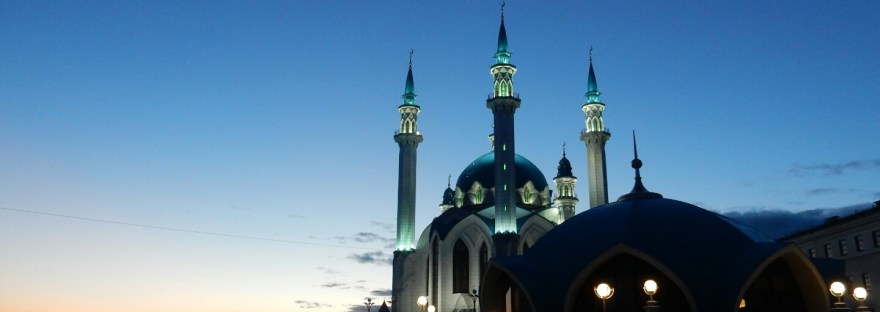
The main sight is, without a doubt, the Kul Sharif Mosque with its magnificent white walls and blue dome. It is part of the Kremlin (which is the ancient fortified part of the city).
I also enjoyed the colourful St. Peter & Paul church and Baumana street, the pedestrian zone where my hostel was situated.
Special mention for the Museum of Soviet Life, where I found shelter from the rain. It’s a chaotic collection of objects straight from the Soviet era. “You can try everything,” said the lady at the entrance. Say no more. Selfietime!
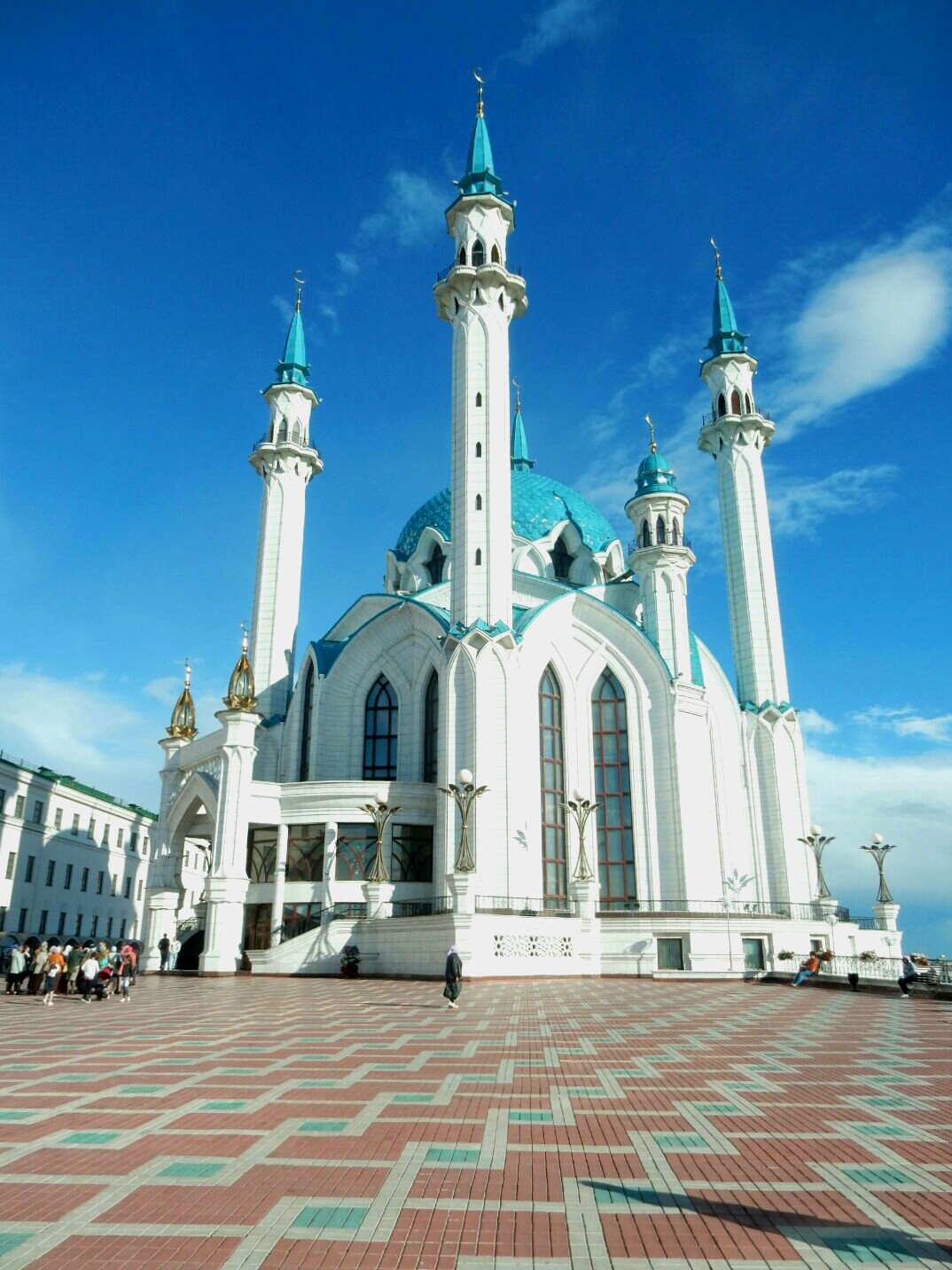
Kul Sharif Mosque
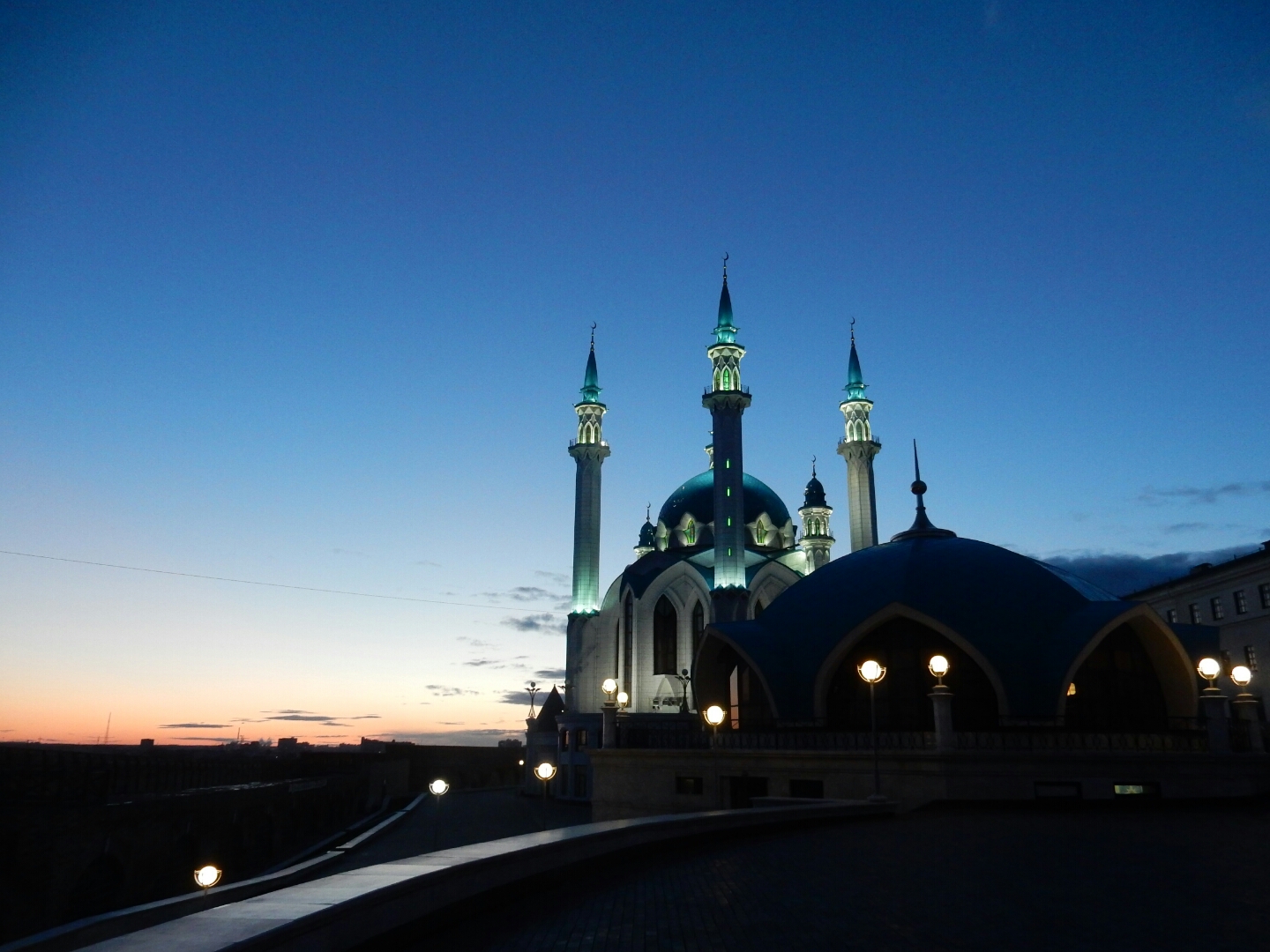
Kul Sharif Mosque sunset
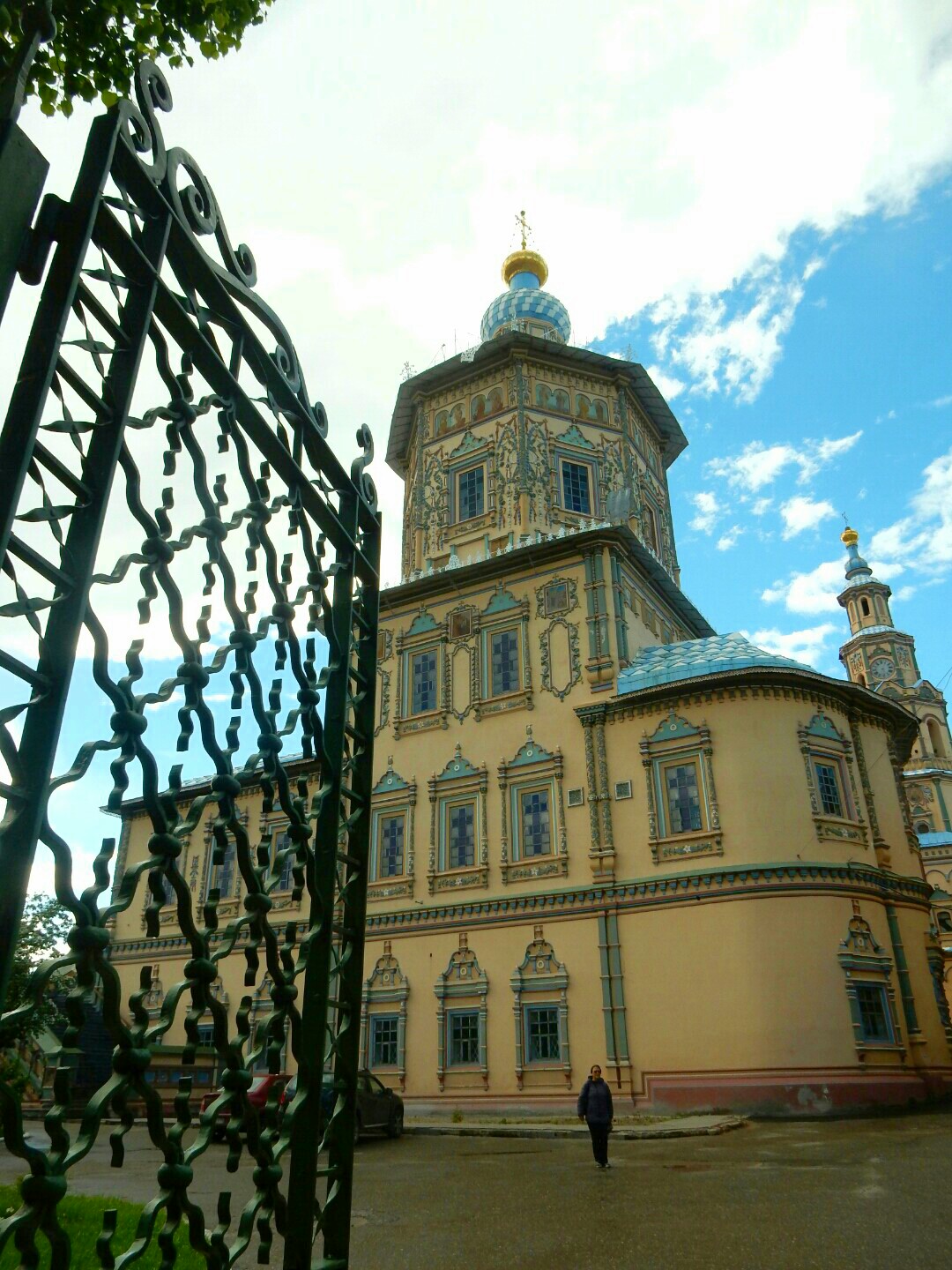 St. Peter & Paul Church
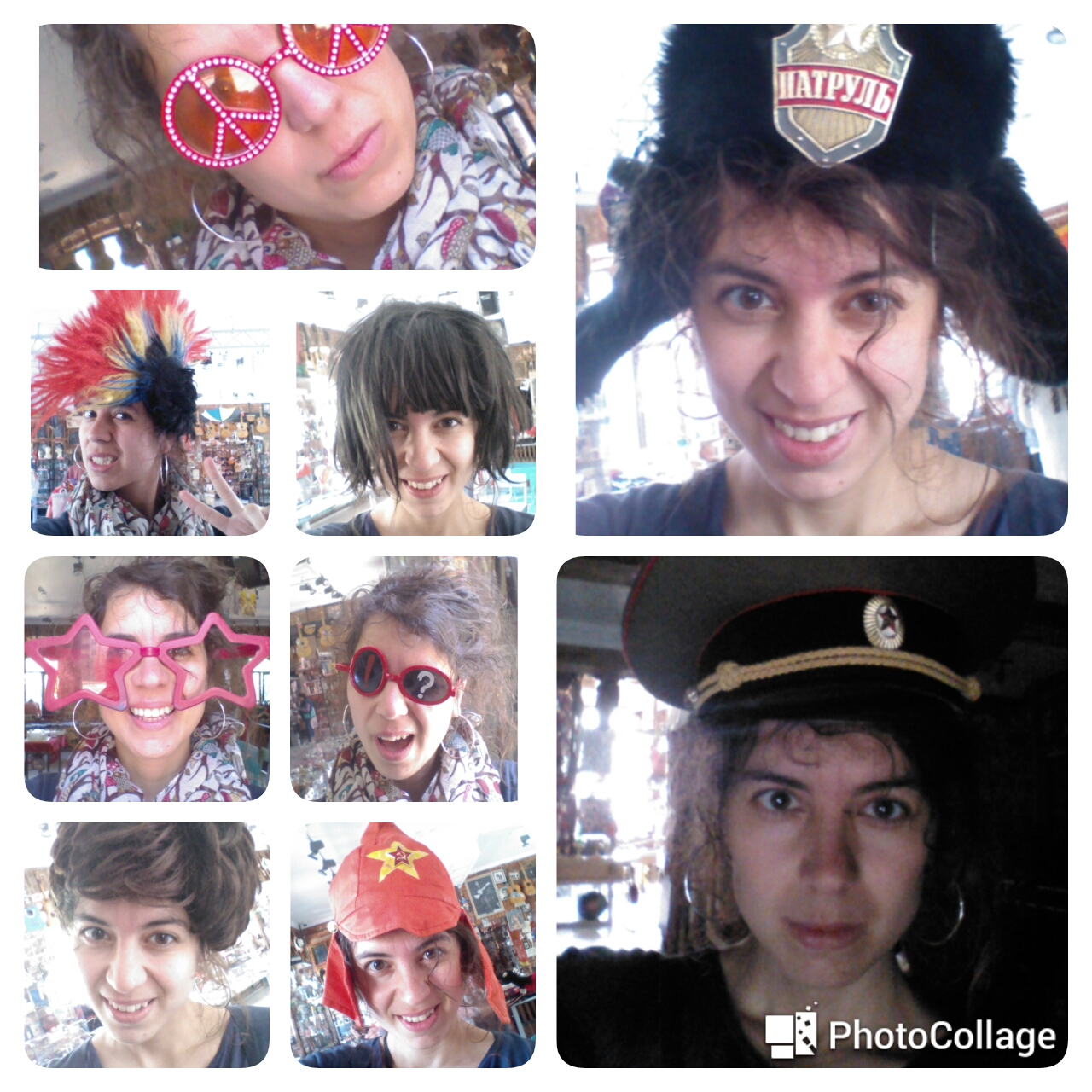 Museum for Soviet Life
Yekaterinburg
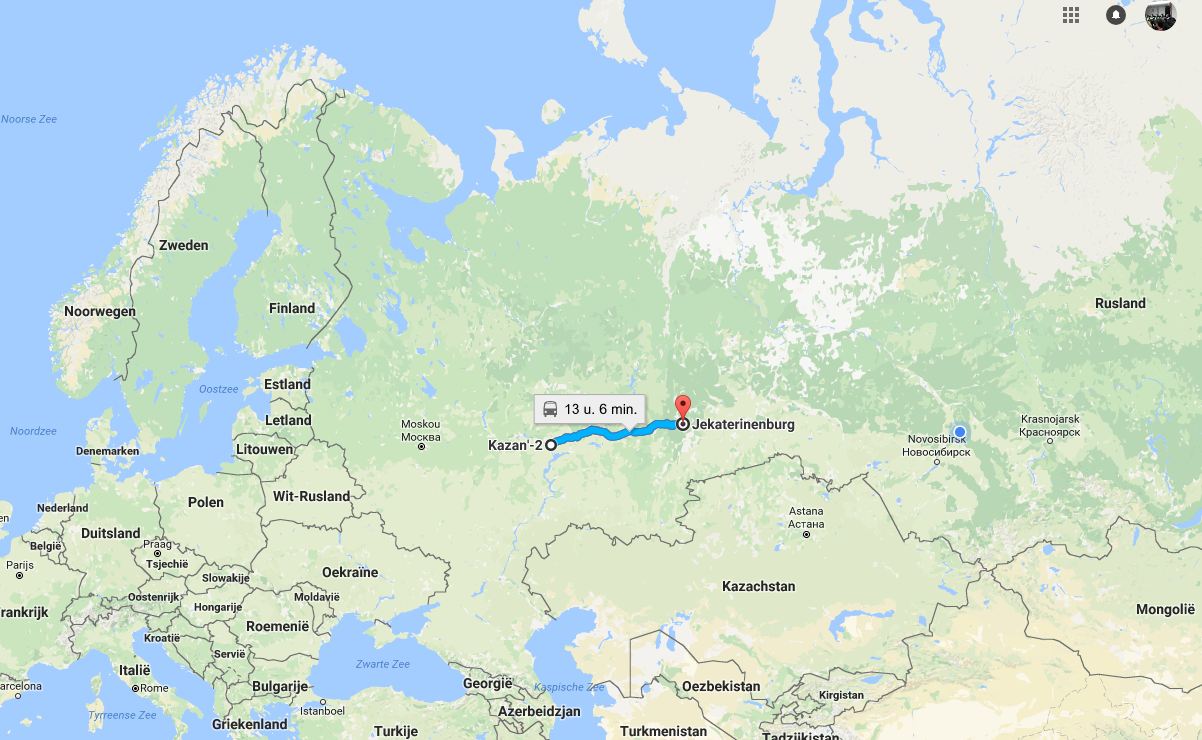
When I arrived in Yekaterinburg, I was in a new timezone. I had been on Moscow time since entering Belarus, but now it was suddenly 2 hours later. Mind you, the schedule mentioned on Russian train tickets is always in Moscow time, so you must carefully keep up with the time difference if you don’t want to miss the train! I’ll explain more about the trains in another blog post later on.
I wouldn’t say Yekaterinburg is a very beautiful city, yet it is a very nice place to stroll around, since it has such a vibrant, lively atmosphere. On every corner, musicians pour their sounds onto the street, animations attract attention, the fountains are accompanied by music and colourful lights… I followed the “Red Line”, drawn on the streets to guide tourists along the main points of interest, like the Church upon the Blood and the Sevastyanov’s Mansion.
I also visited the monastery of Ganina Yama, 16km outside the city. This wooden Monastery of the Holy Martyrs was built in the middle of the forest, on the place where the Romanov family was buried. Hidden between the trees, the wooden churches with their golden domes look quite mysterious. And to realize that the last Russian tsar and his family, murdered by the Bolsheviks in 1918, are resting here forever, makes it pretty special.
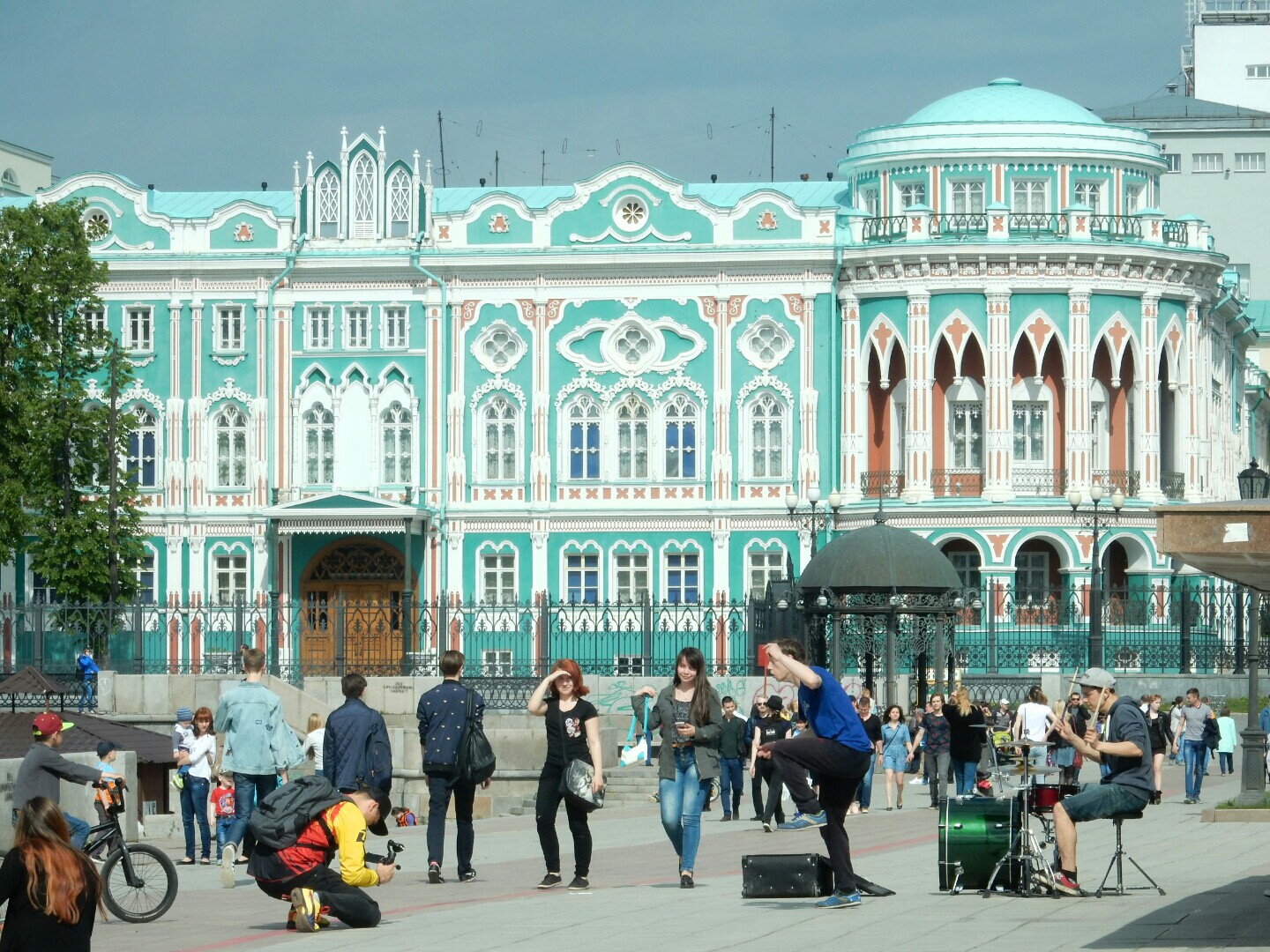
Street atmosphere in front of Sevastyanov’s Mansion
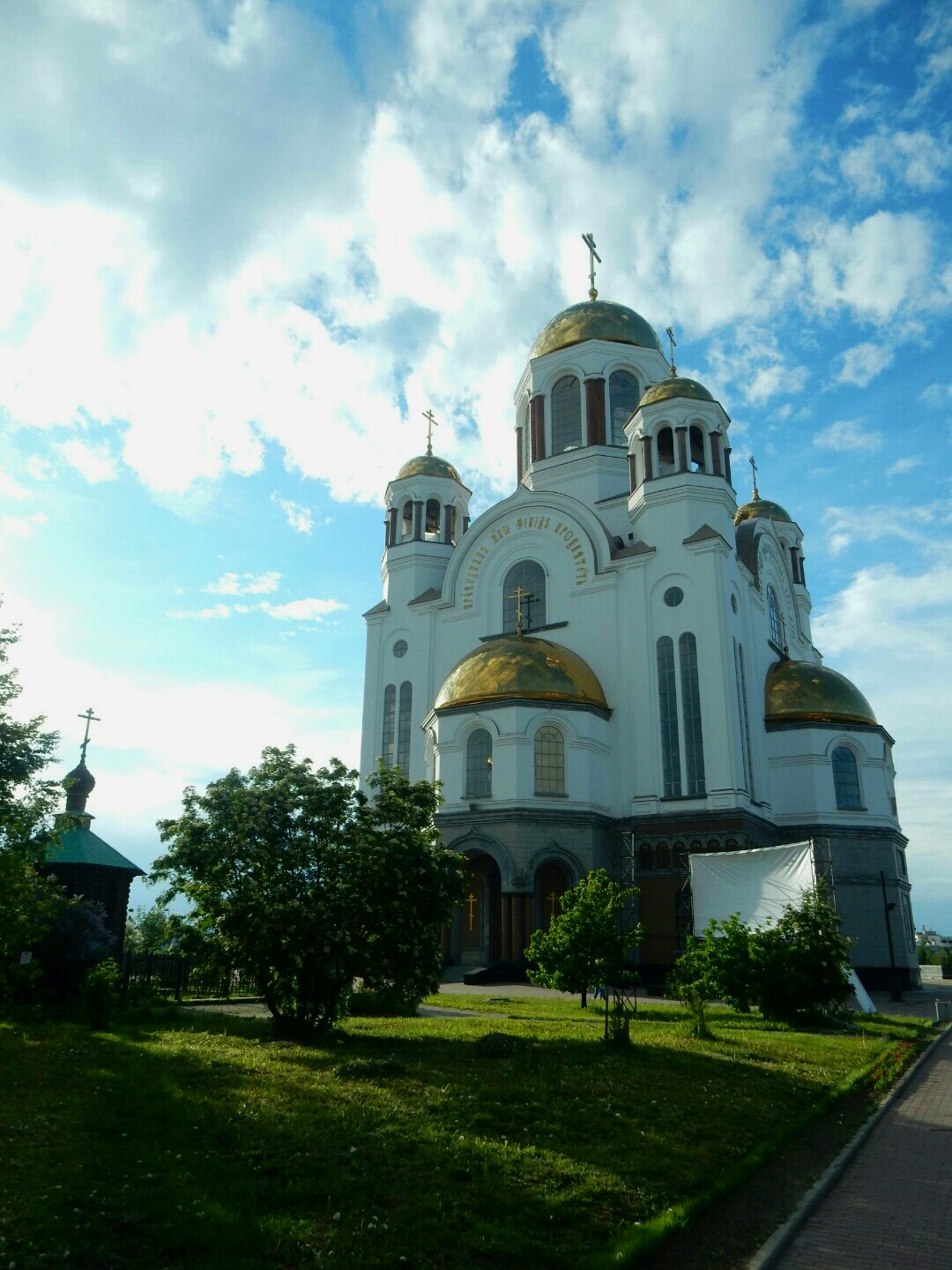
Church upon the Blood
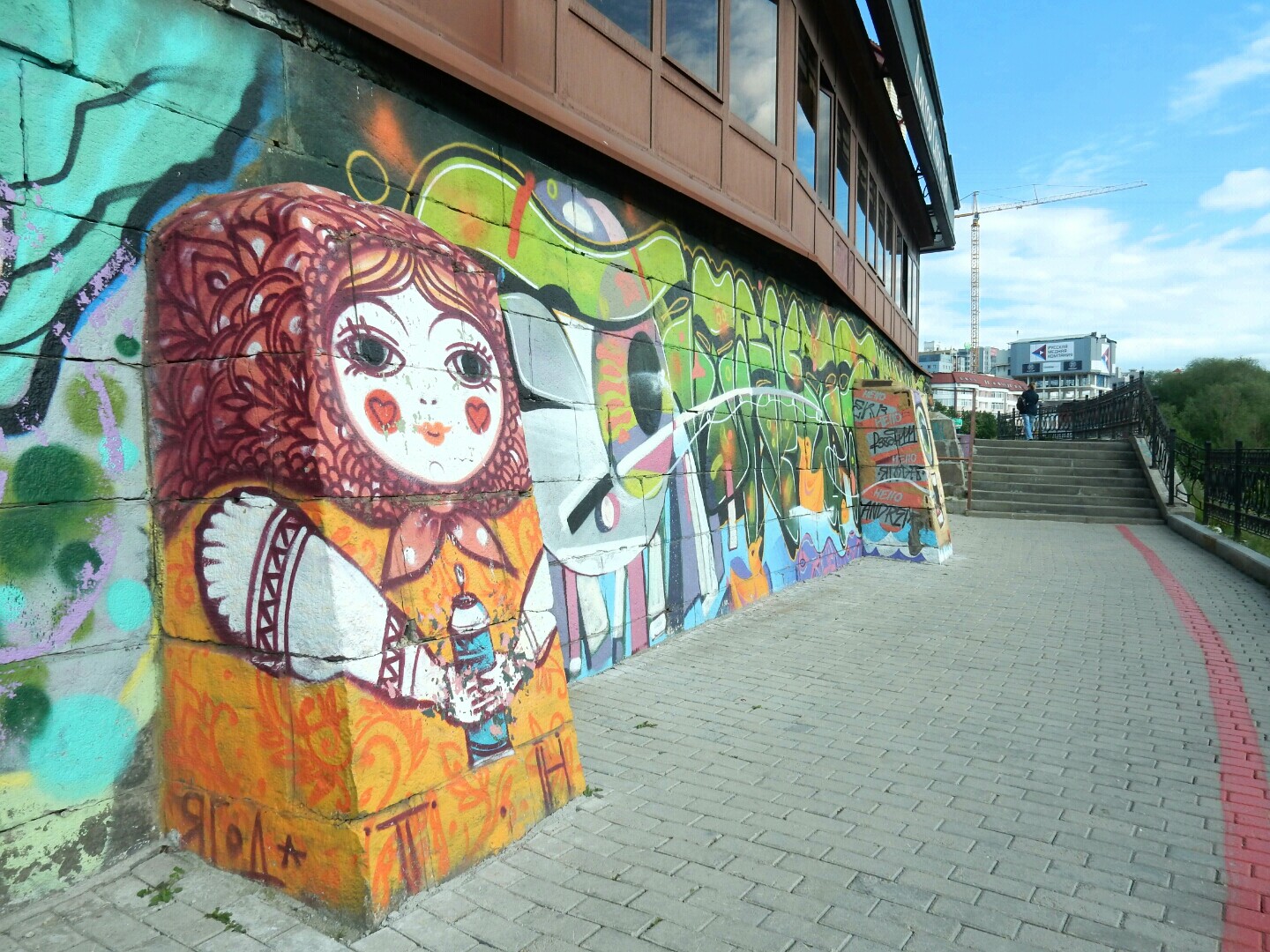
Street art along the “Red Line”
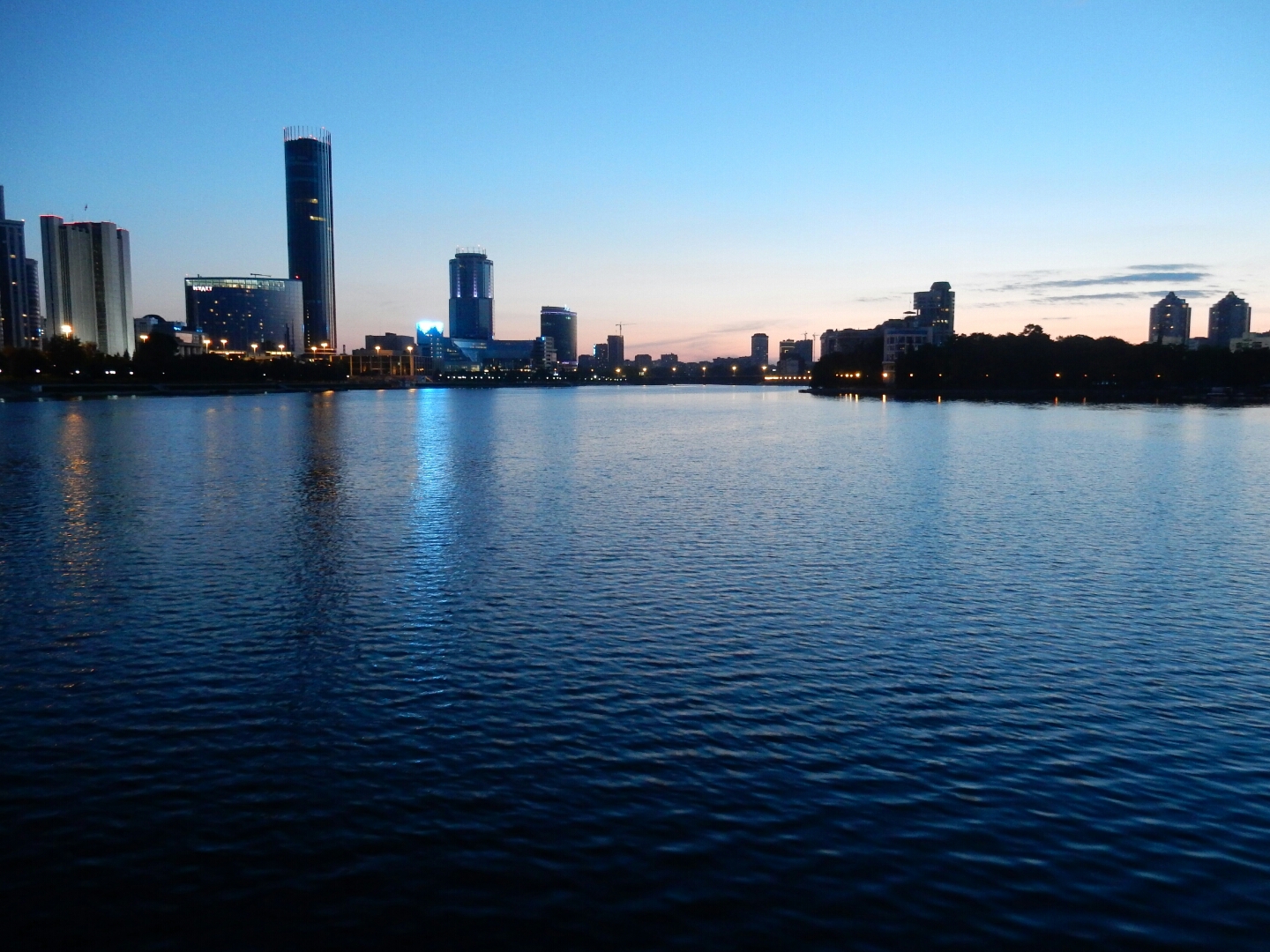
Sunset behind the City pond

Monastery of the Holy Martyrs in the forests of Ganina Yama
Novosibirsk
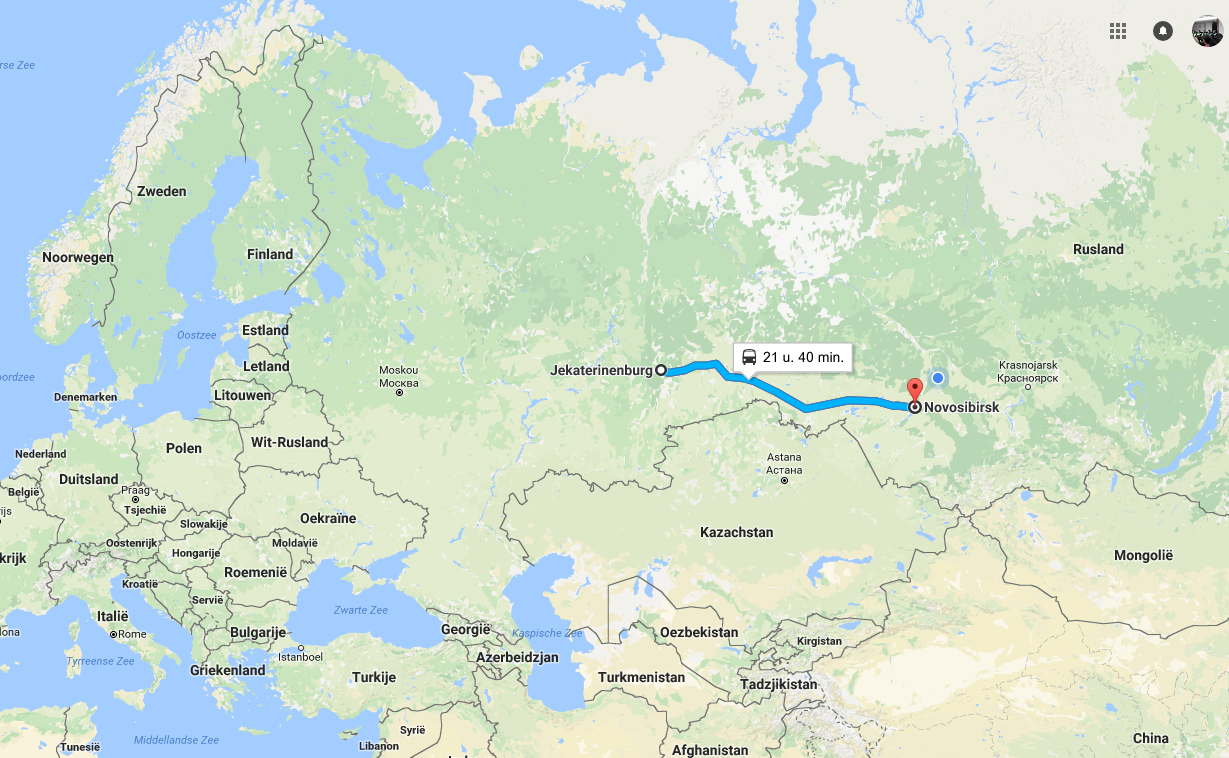
After Yekaterinburg, the landscape changed a bit. With the Ural mountains now behind me, I had officially entered Asia. There were still many birch trees and villages with wooden houses, but the spaces in between were bigger in surface and a bit less green.
Again, 2 hours were added on the clock when I arrived at my next destination. Novosibirsk, the unofficial capital of Siberia, is not so much about sightseeing as it is about experiencing the city vibes. And so I was happy enough to stroll around almost aimlessly in the company of two young English teachers from Russia, whom I met at the hostel. And since summer had finally arrived, we could as well go on a boat trip on the River Ob.
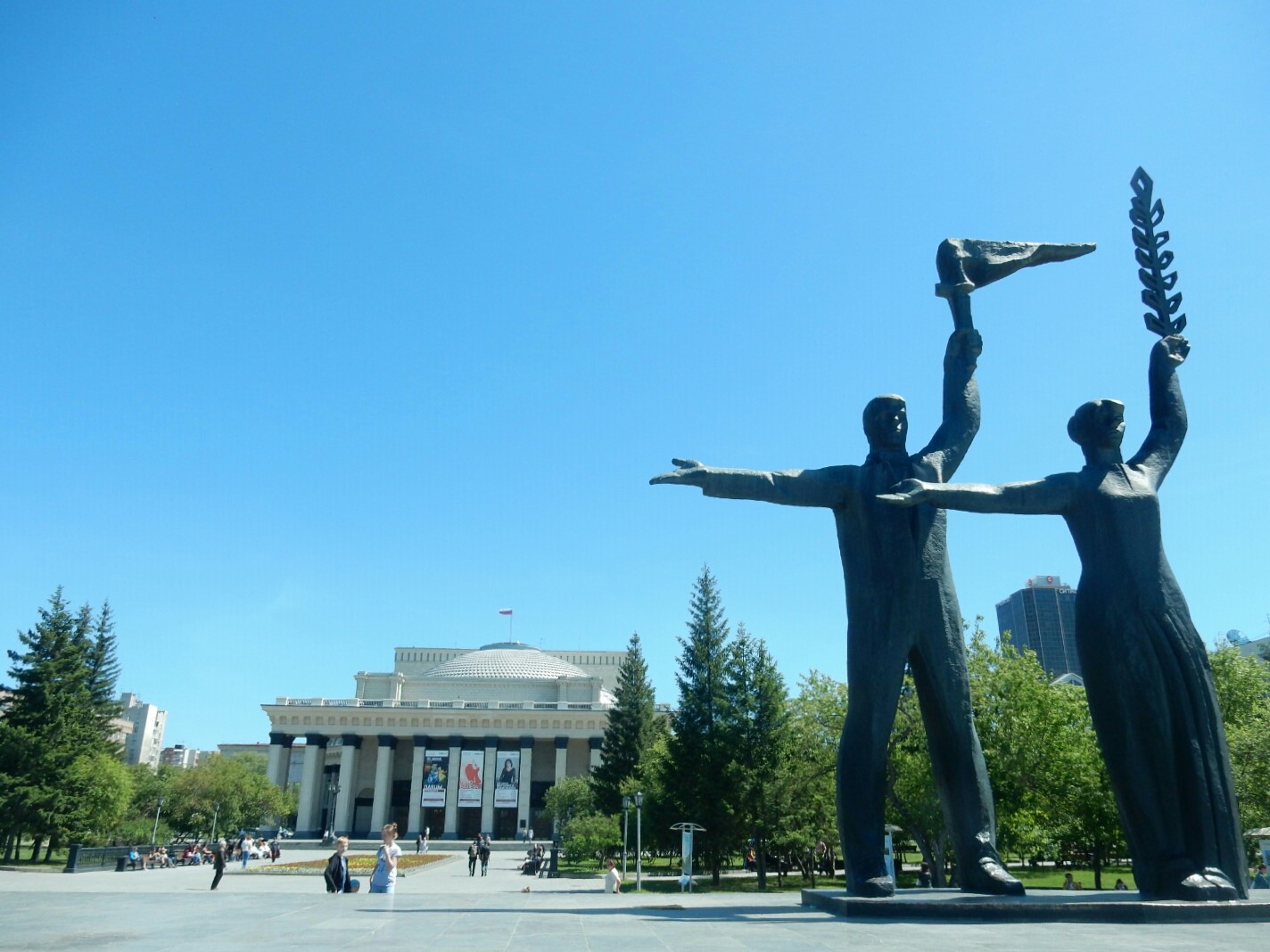
Lenin Square

Boat trip on the river Ob
Tomsk
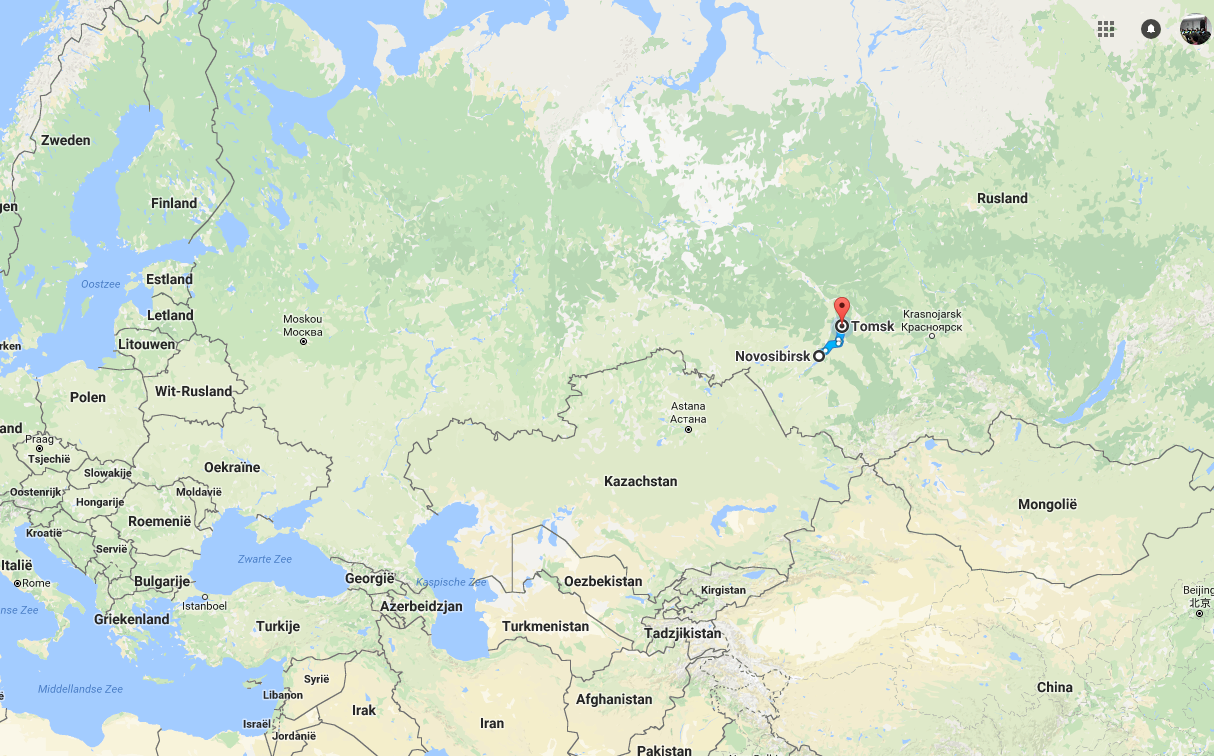
It takes a bit more than four hours to reach Tomsk by bus. It’s a relaxing ride through lush green fields and, yes, more birch tree forests. Tomsk is a university town and so the streets and even the hostel were filled with students. A very vibrant atmosphere that was, but as soon as I left the main streets to explore the famous Siberian wooden houses, people would look at me as if they’d rarely ever see a tourist…
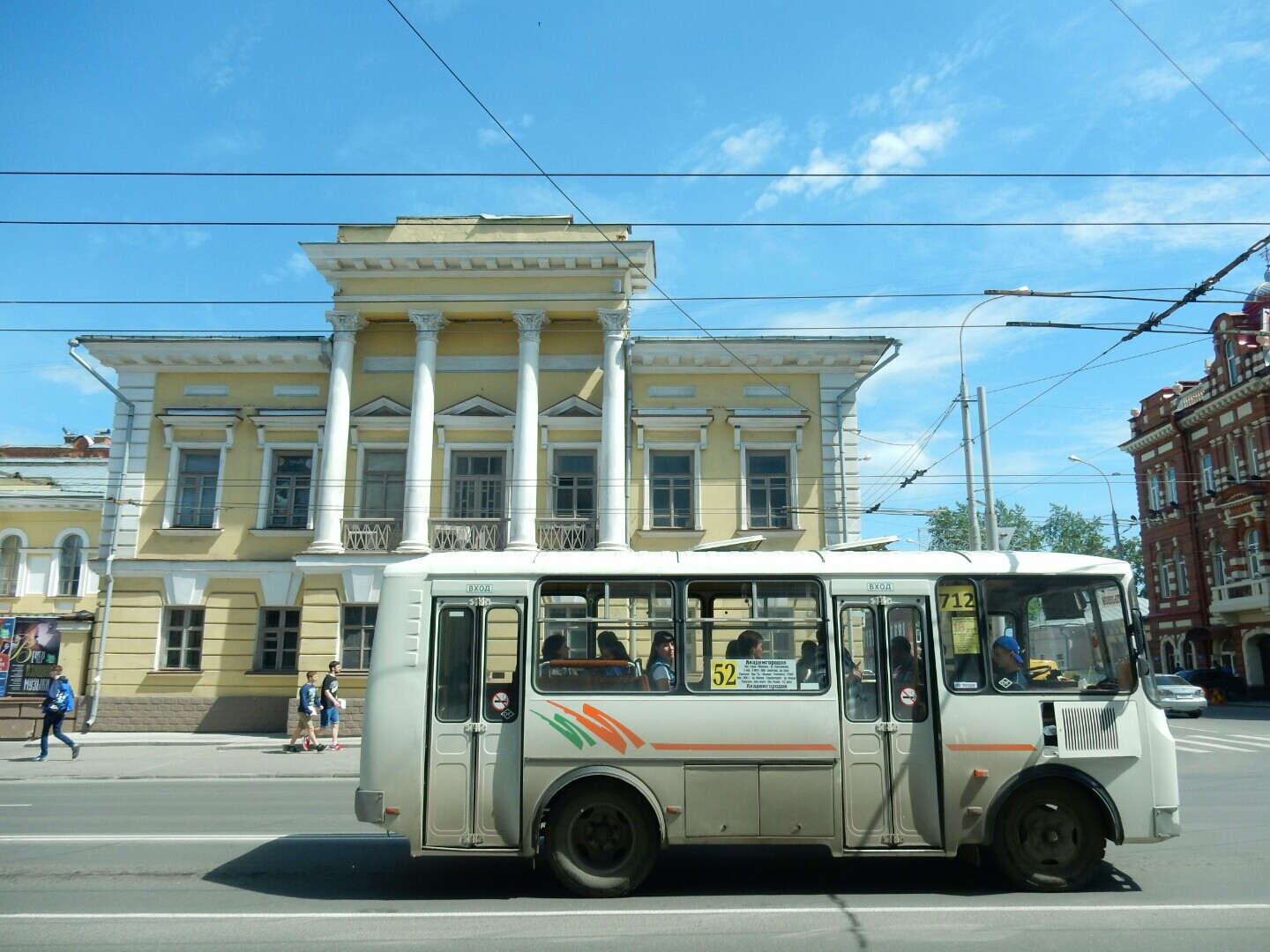
Lenin street
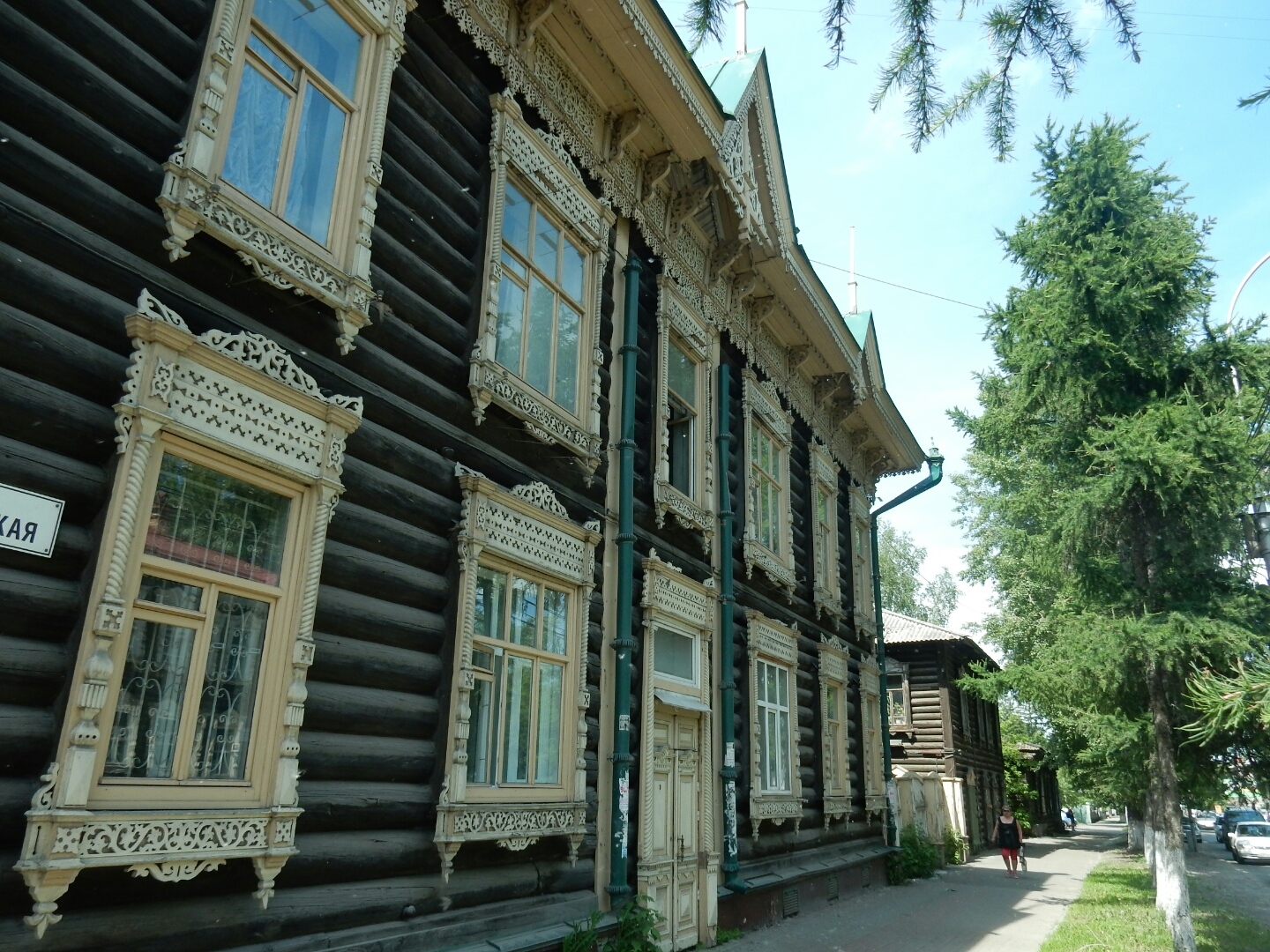
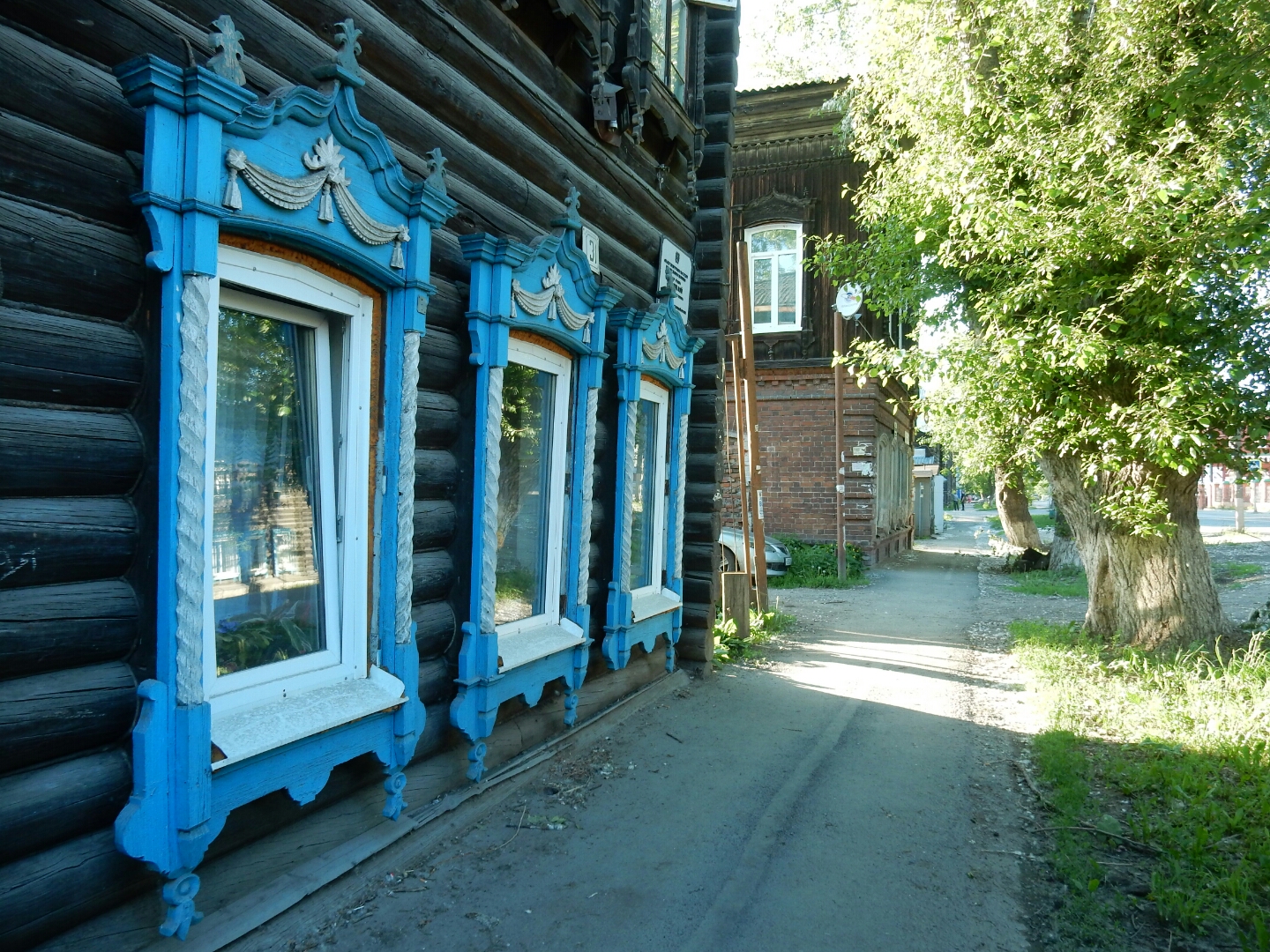
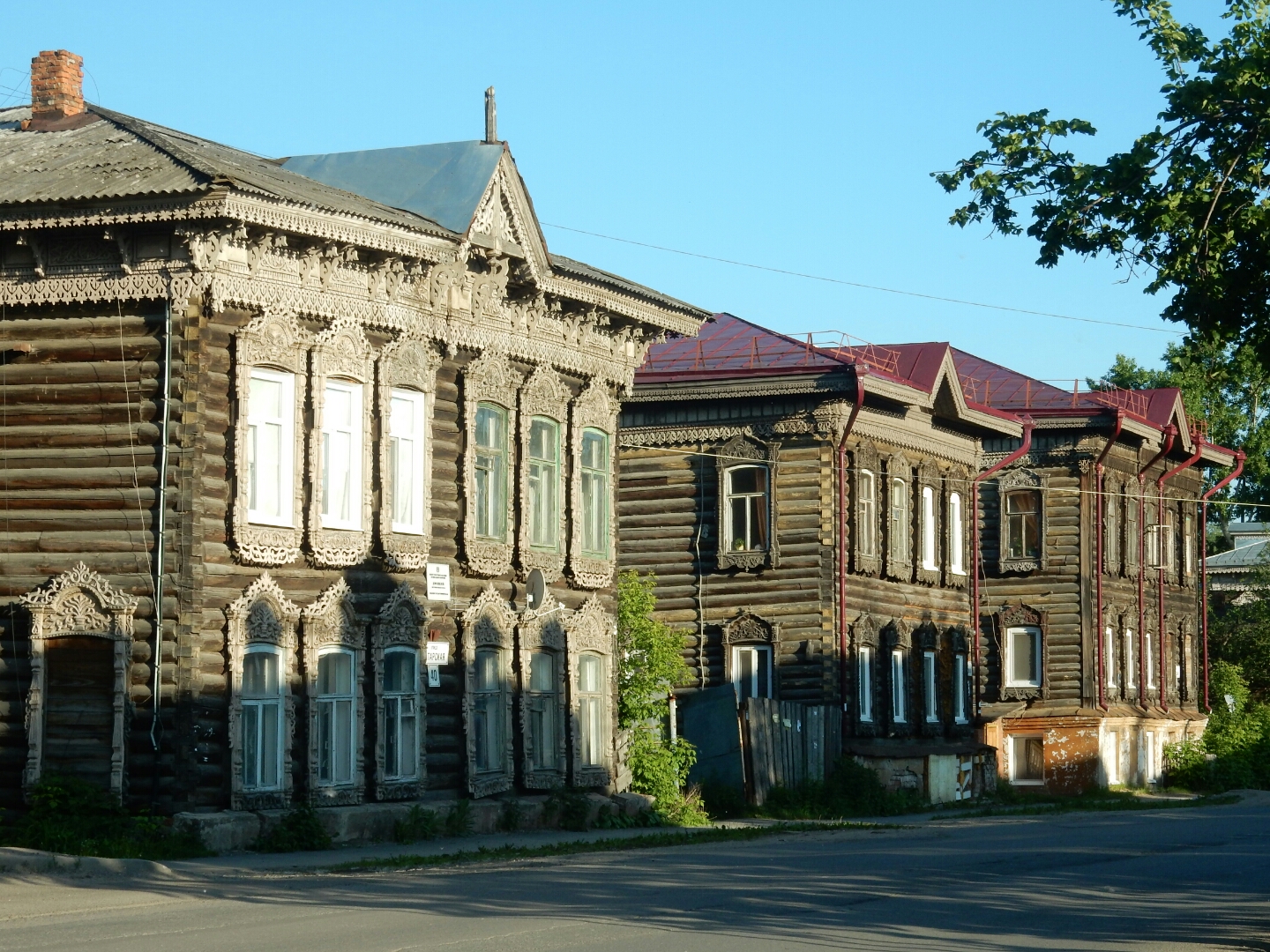

More to come…
That’s it for the cities so far. The Transsiberian hasn’t quite finished though… More updates will follow!
 Morgane's Travel Tales
Heey, we are kind of making the same trip. We were wondering if you had any problems when you came by train from warshaw to moskou. We did the same but because of it we didn’t get a stamp on out Russian visum because there is no border control between bellarus and Russia. We have a bellarus migration card and a stemp on the bellarus visum but that’s is. Is it a problem? Some people say it is, some say there is no problem…
😉
LikeLike
Hi Soetkin, in order to take the train from Warsaw to Moscow, it was imperative that I had the two following things: 1) a Russian tourist visa and 2) a Belarusian transit visa.
I got these before leaving on my trip, in the consulates of respectively Russia and Belarus in Belgium.
The border control indeed takes place between the Polish and Belarusian border, and not between the latter and the Russian border, since there seems to be free traffic of people between those two (like we have in the Schengen zone).
So if you made it into Russia this far by crossing the Polish-Belarusian border, there should be no problem! They wouldn’t have let you cross the border if you didn’t have the valid documents.
LikeLike