Having travelled exclusively overland all the way from Belgium for ecological reasons, I was naturally also trying to be more aware of touristic initiatives with a positive impact on the local environment and society.
In and around Siem Reap
I especially found the area in and around Siem Reap to be a haven of sustainable initiatives. My favourite place in town for breakfast and dinner was the New Leaf Eatery. Not only did I find this a very pleasant restaurant and did they have delicious food on the menu, it is also a social enterprise. 30% of their monthly profits are donated to a chosen charity or project and 20% is shared among the Cambodian staff.
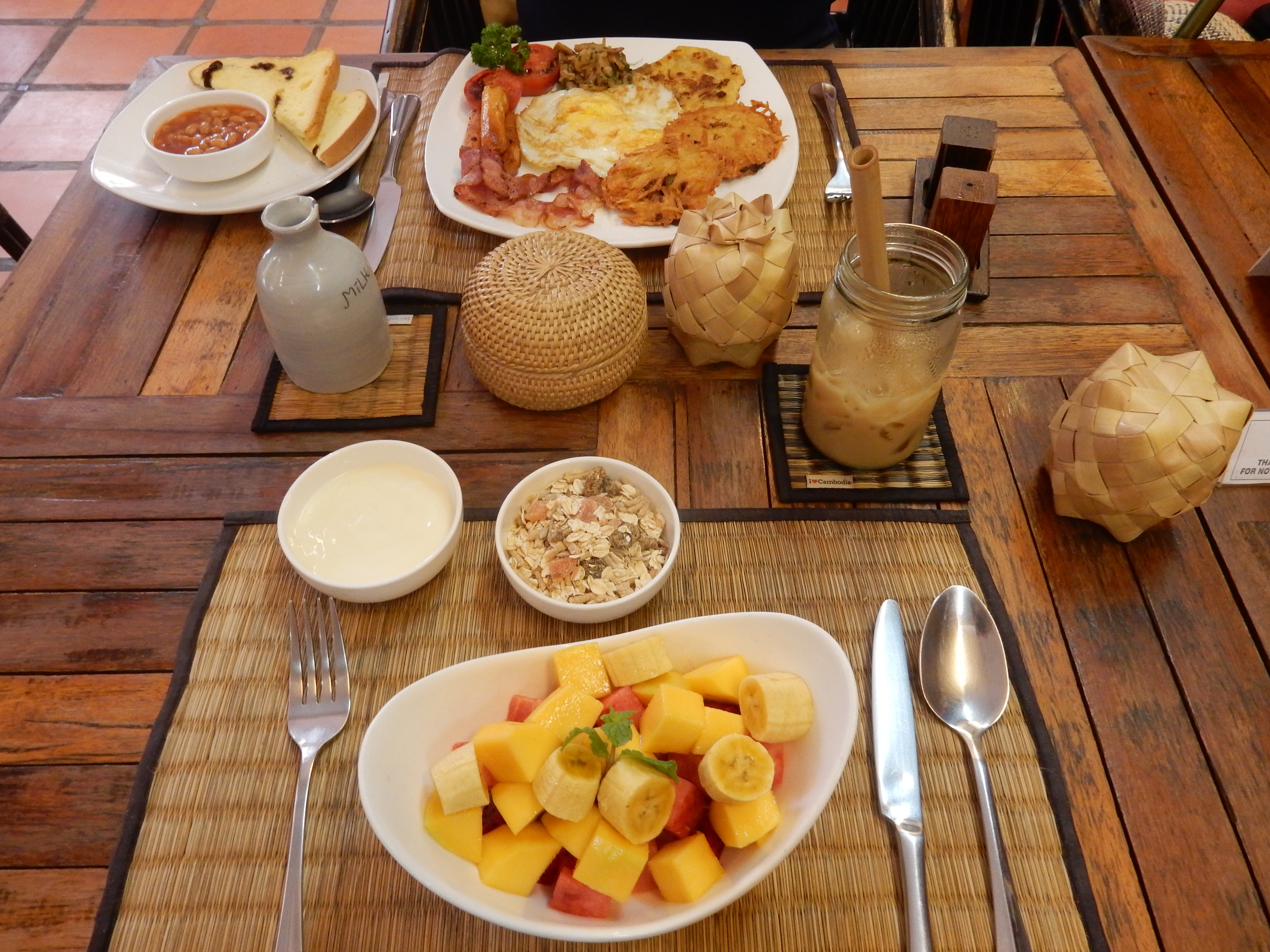
Breakfast: different tastes, equally delicious!
The hostel that I stayed at both of the times that I was in Siem Reap also was putting in quite some efforts, like using bamboo straws for all the drinks served at the bar and investing their money in the local community. Sadly, I just discovered on their website that The Siem Reap Hostel has closed permanently.
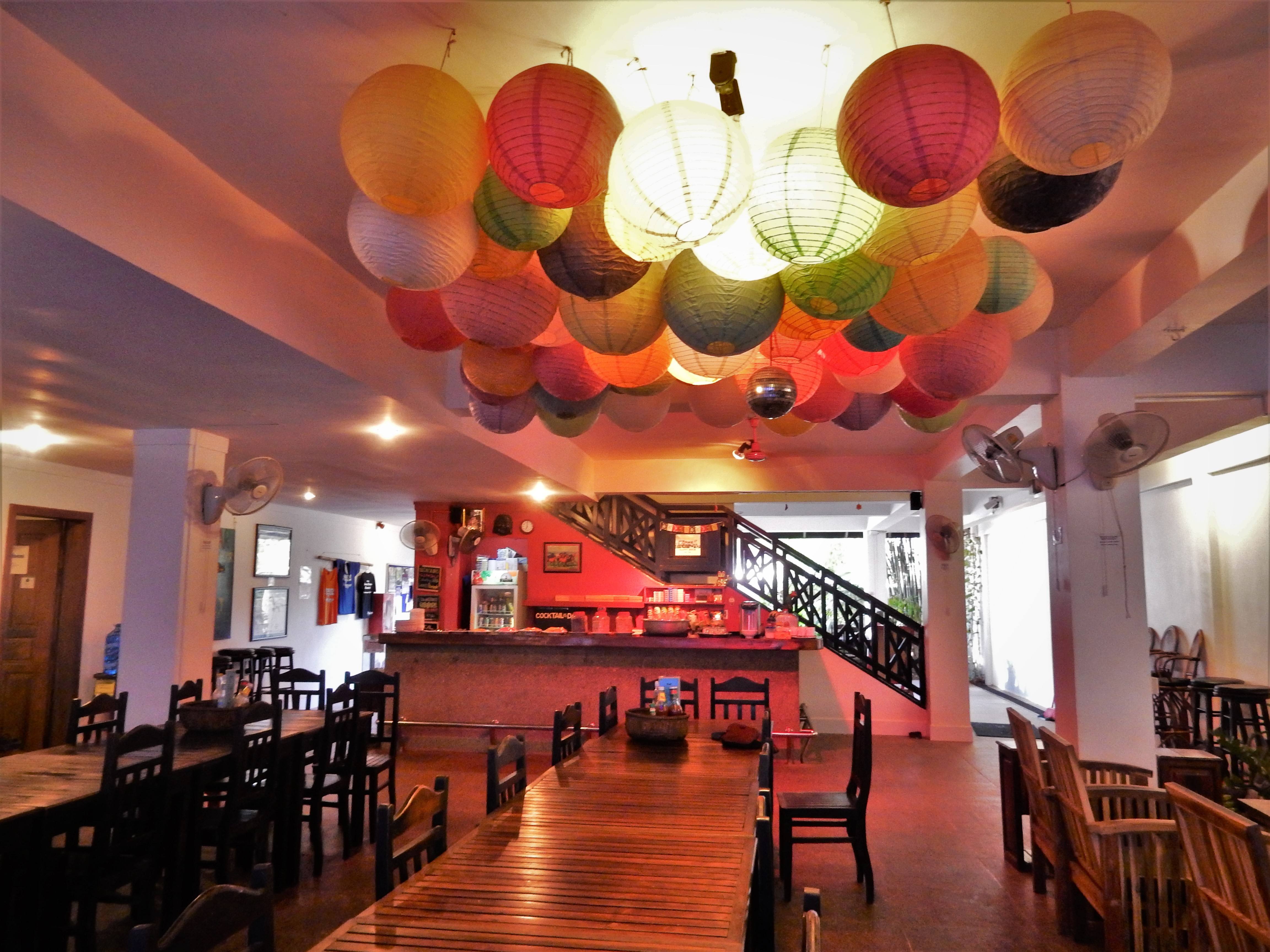
The Siem Reap Hostel unfortunately has closed permanently.
During my second stay in Siem Reap I accompanied Donna, whom I met at the hostel, on a day trip to the Banteay Srey Butterfly Centre and the Landmine Museum. Both are situated in the same area some 30 km north of Siem Reap and both really give back to their communities. Indeed, the Butterfly Centre uses the revenue generated by tourist admissions to help alleviate the local poverty and to support conservation projects. It also is a place really worth visiting: we discovered a lot of absolutely beautiful Cambodian butterflies. One would even come and sit on my hand and then hopped onto my face!
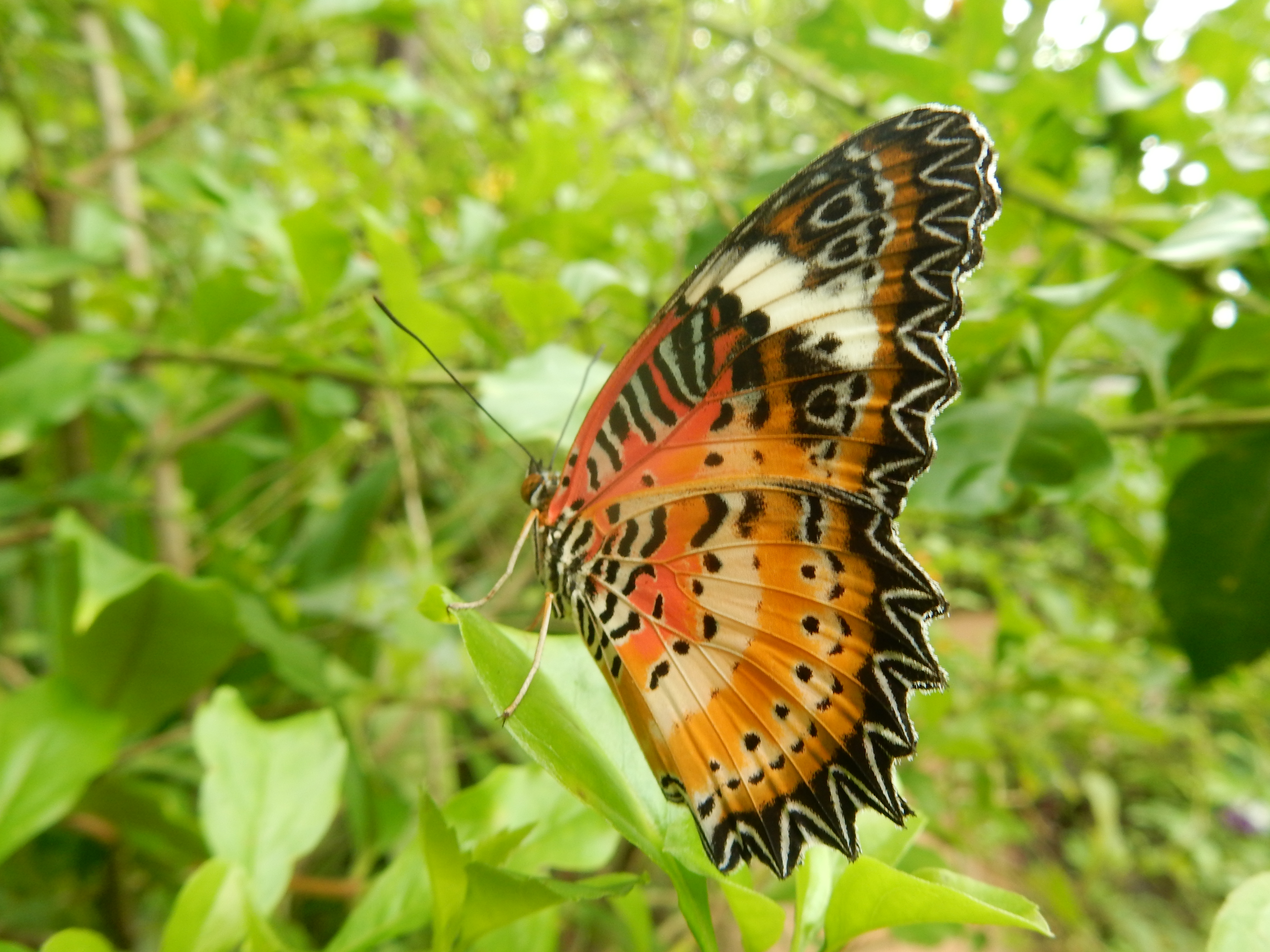
Cambodian butterfly

Tourist and Cambodian butterfly
The Cambodia Landmine Museum is practically across the road and has a very clear objective of educating visitors about the presence of landmines in Cambodia and raising funds to support the work of clearing the country of these landmines and of other unexploded ordnance. The sad truth is that, following decades of conflict in the area, Cambodia is one of the most heavily mined countries in the world and dozens of civilians get injured or killed every year as a result of it. Not only do you learn all about it in the museum, you can also donate some money or buy a souvenir in the gift shop to help their cause.
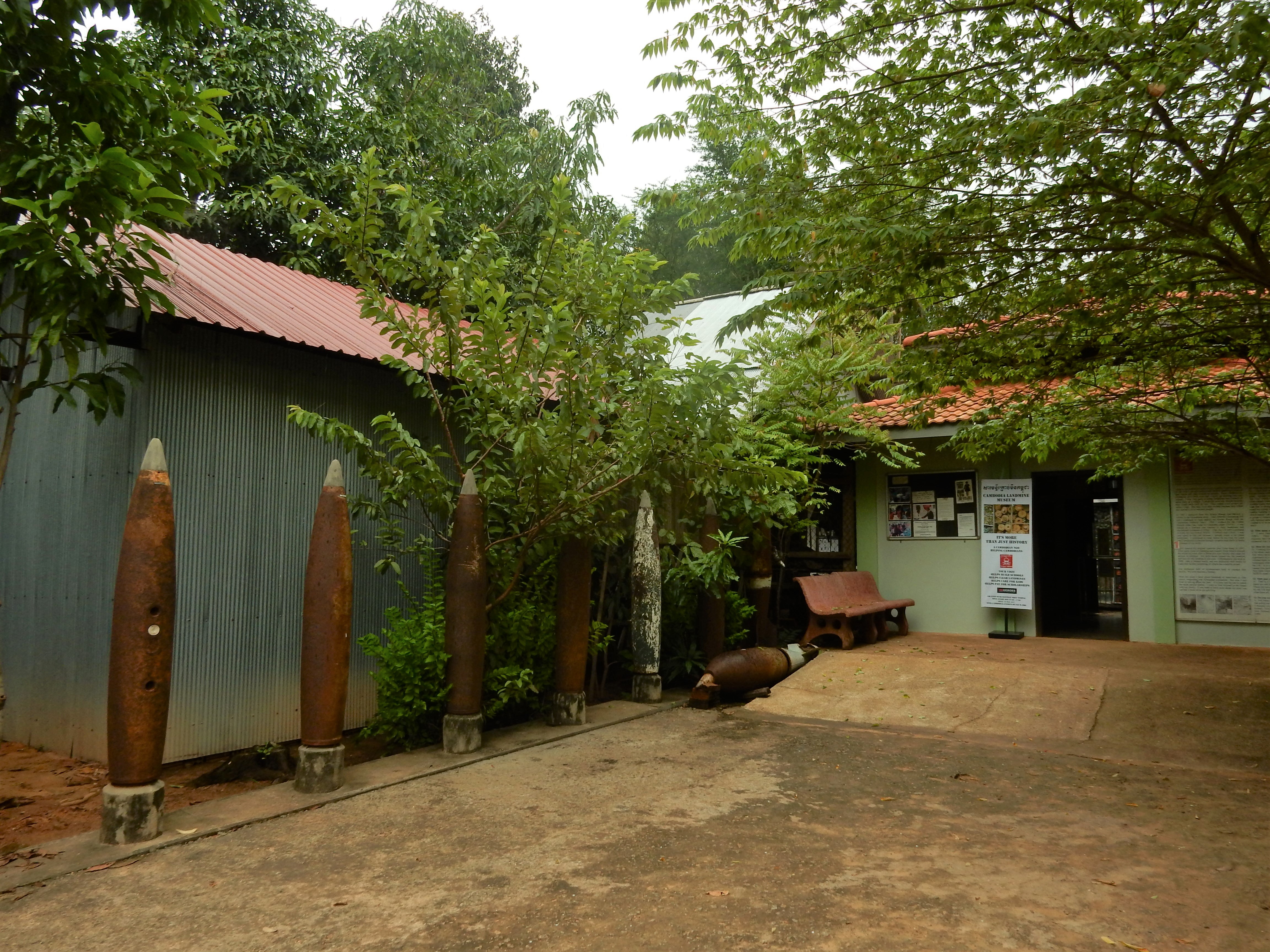
Entrance to the Cambodia Landmine Museum
The top tourist attraction in Cambodia without a doubt are the Temples of Angkor. Whether it is actually sustainable to visit those, seems questionable. The large crowds wandering through the temples every single day must present a major challenge towards the conservation of the site. An information board that I saw explains the work that is being done, using the money that visitors pay to visit the temples, in order to not only conserve but also to restore wherever necessary. I am not sure whether it adds up to a net positive balance. One thing that I do strongly disagree with, is the fact that elephant rides are being offered on the site. This is animal abuse and has a negative effect on the overall elephant population in the wild. I think it is totally wrong to keep selling this activity to tourists who don’t care or don’t know any better.
This being said, I really enjoyed both of my visits to the temples (the smaller tour and the bigger tour) and made sure to treat the historical remains with the utmost respect.

One of the temples on the bigger (outer) tour

The Temples of Angkor are not only a historical site, but also an entire protected ecosystem. We saw this landscape on our way to the island temple Neak Pean.
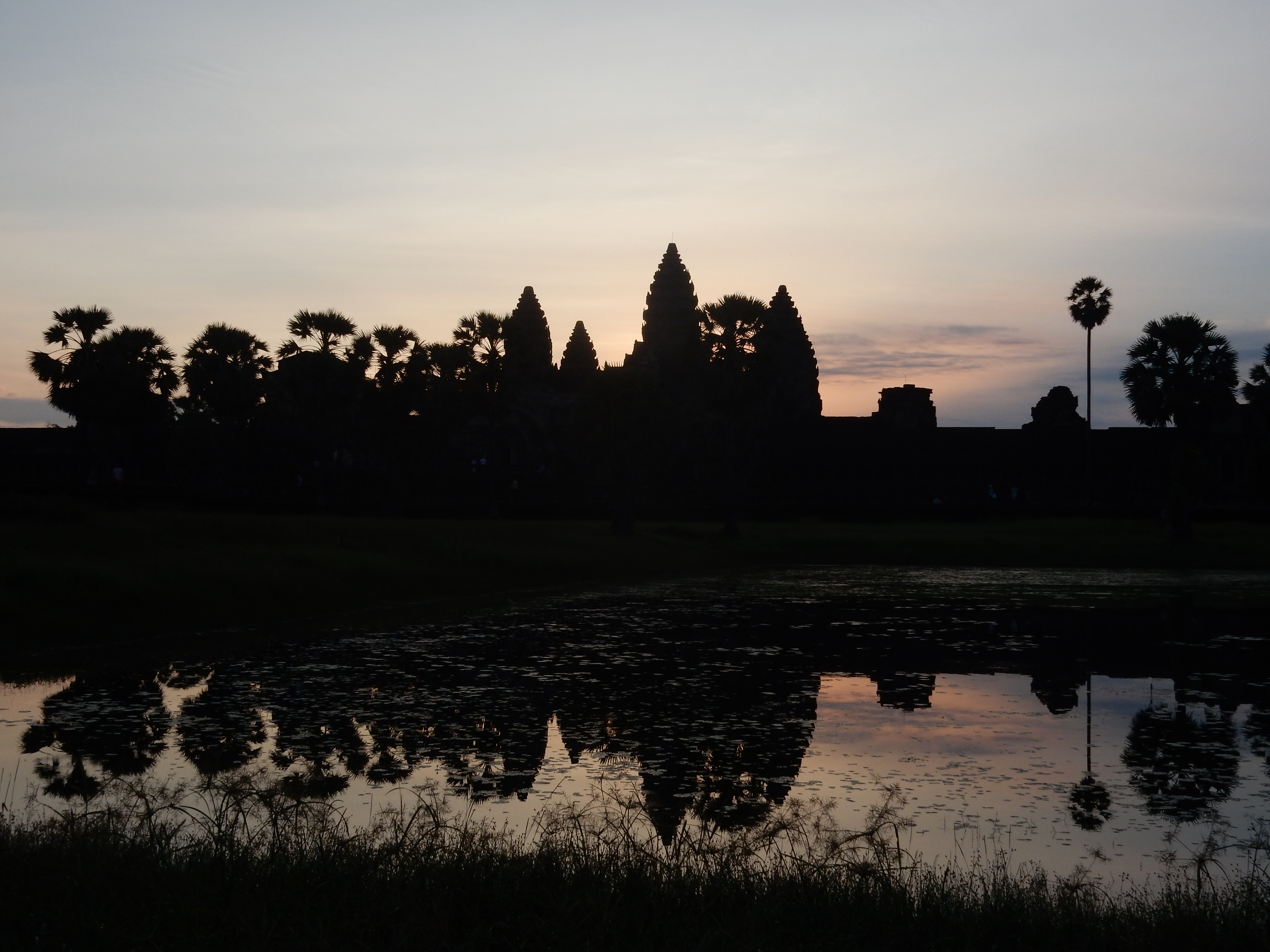
Angkor Wat appearing in the tentative light of the early sunrise
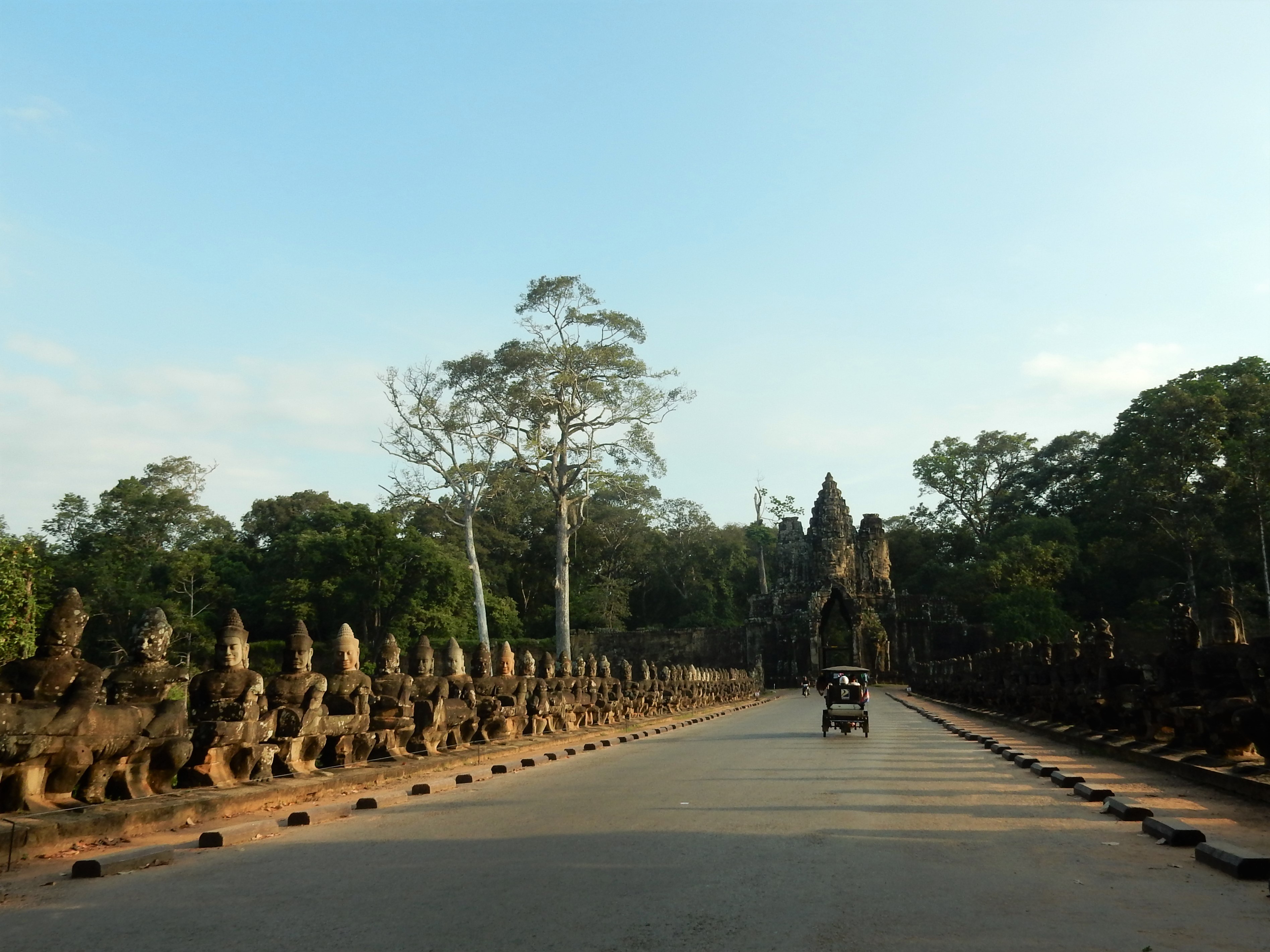
Getting around
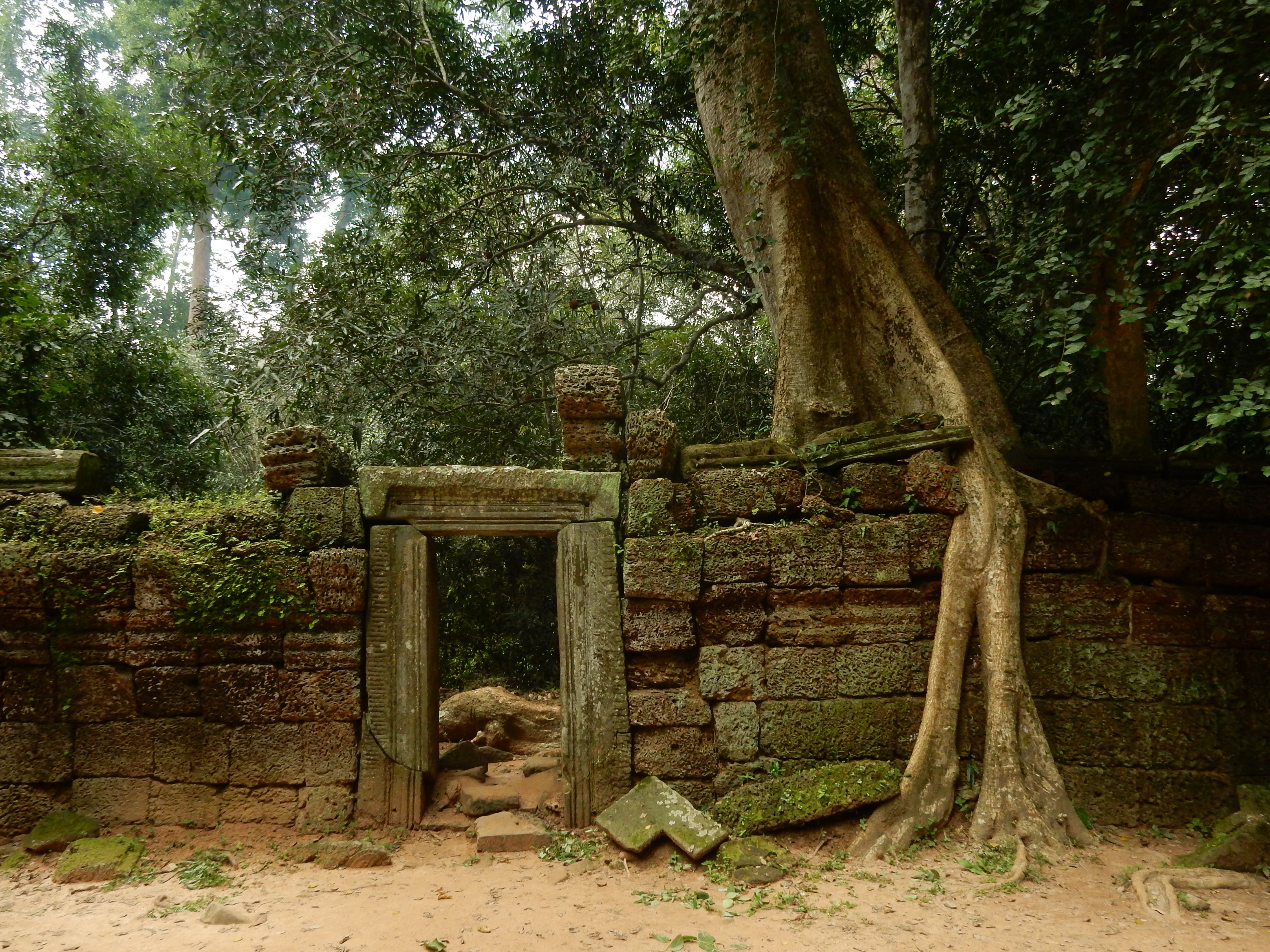
Nature taking over
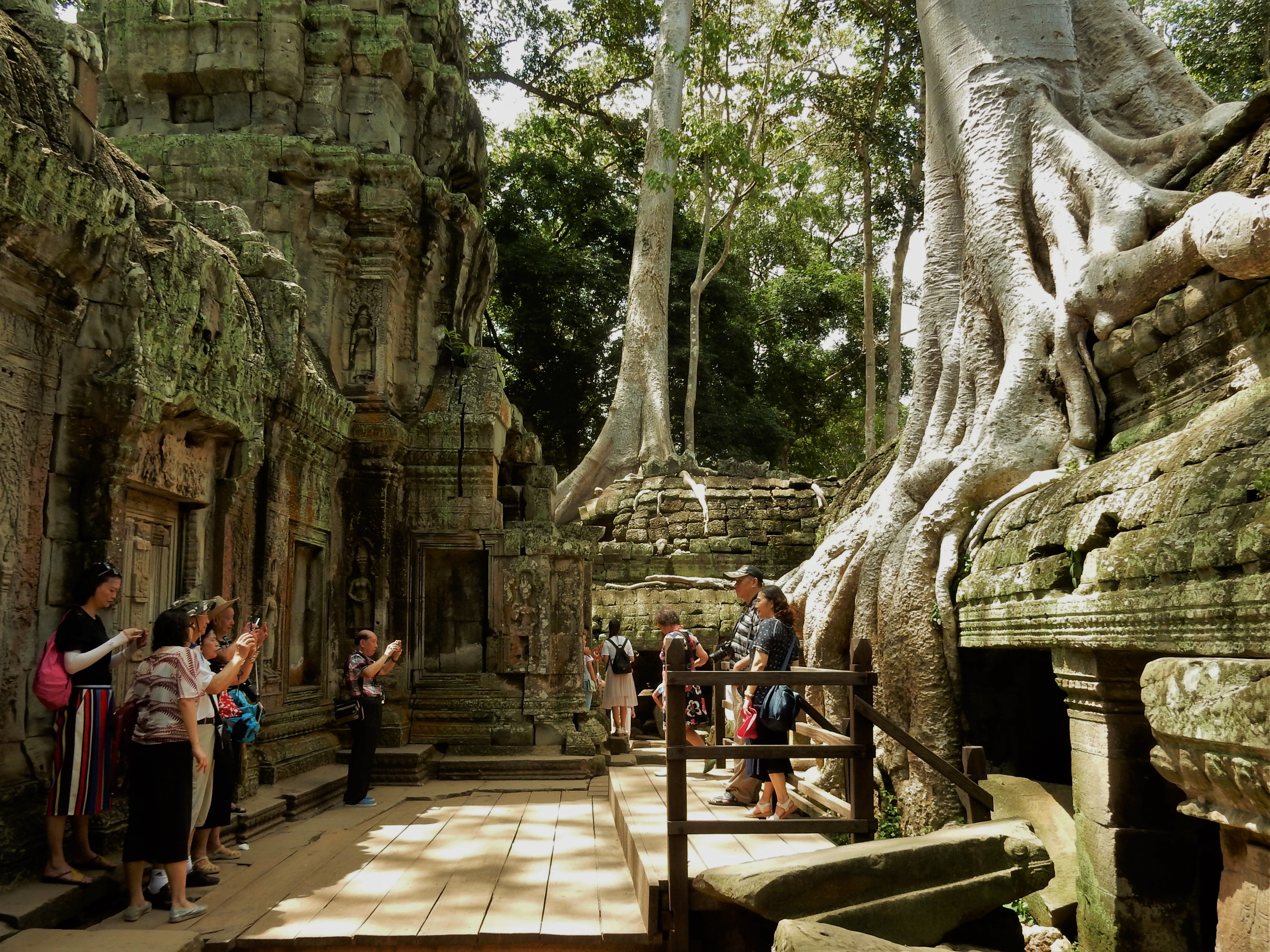
Hordes of tourists visit the temples every single day
Elsewhere in Cambodia
There were two trips that I took in Cambodia that were specifically referred to by Lonely Planet either as ecotourism or as being sustainable.
The first one of these I undertook with my American travel buddy to Koh Kong, an area in the southwestern part of the country which attracts quite a bit less travellers than the more famous parts of Cambodia. Although Koh Kong lies off the major tourist trail, it is absolutely worth a visit if you have the time for it. We booked the jungle day trek with Ritthy Koh Kong Adventure Tours and were not disappointed. Our local guide did not speak English but managed to lead us through the jungle perfectly, clearly knowing every step of the way.
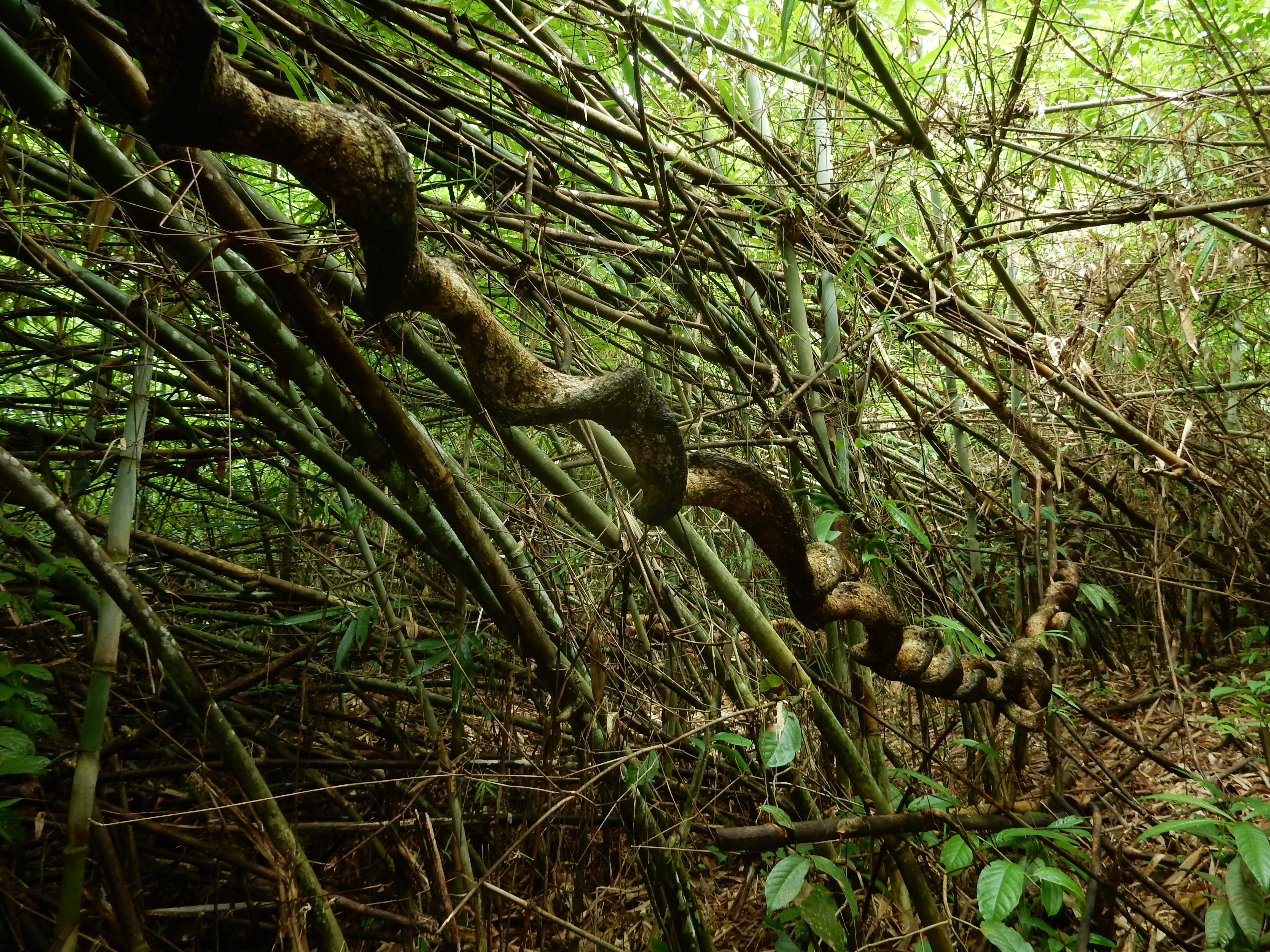
Through the jungle
He first had taken us and an English couple on a boat trip which lasted over an hour and led us alongside mangrove forests, so that we could start our trek in the middle of the jungle. After a good walk, we arrived at a beautiful waterfall surrounded by nature. We had lunch there and really took our time to appreciate this precious spot. One of my dearest memories is of us swimming all the way up to the waterfall and then sitting behind the water that was thundering down in front of us.
By doing this tour, we helped the company protect the local ecosystem, as well as provide jobs for local people, thus supporting their communities.
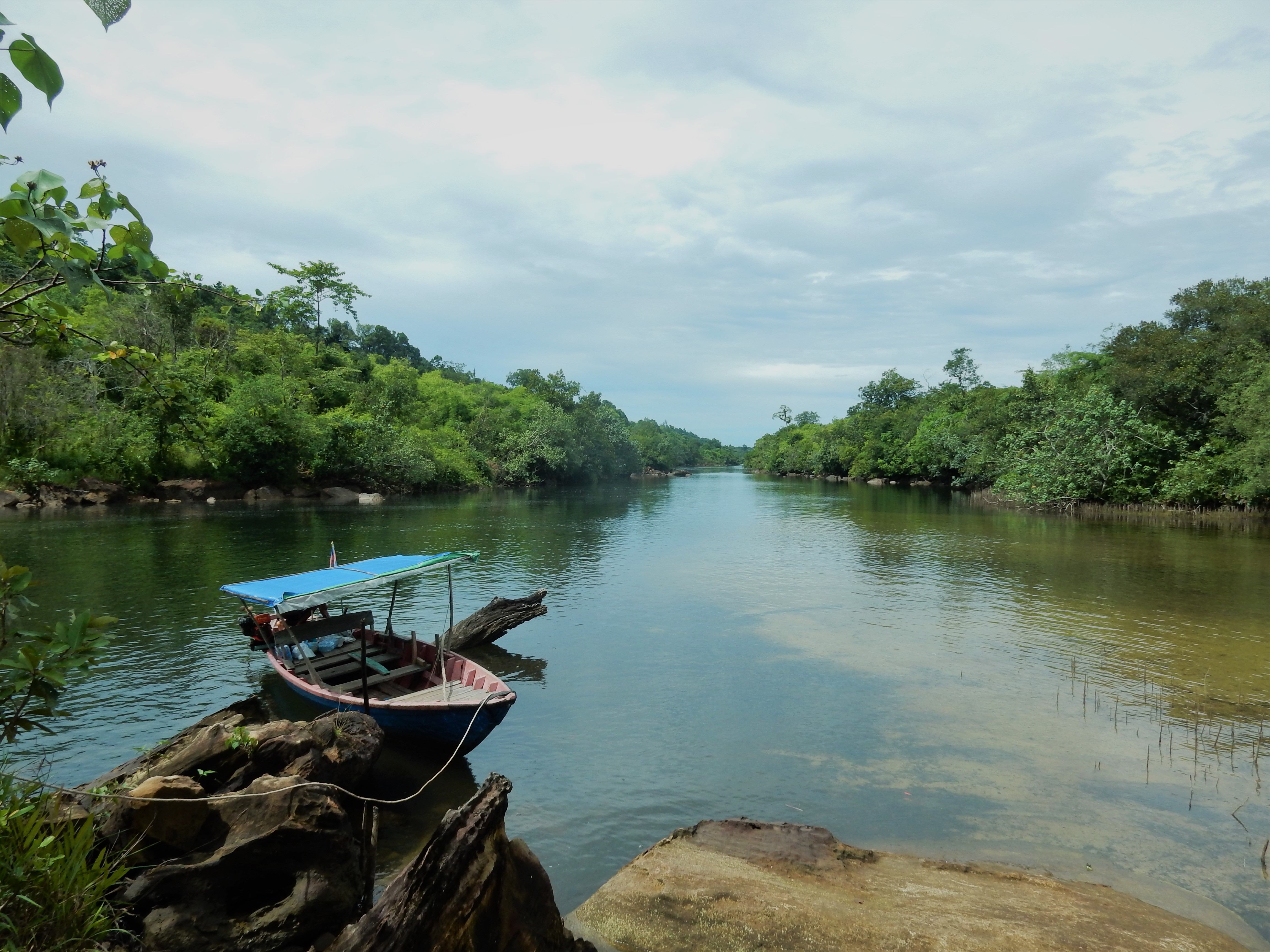
The boat which brought us to the starting point of our jungle trek.
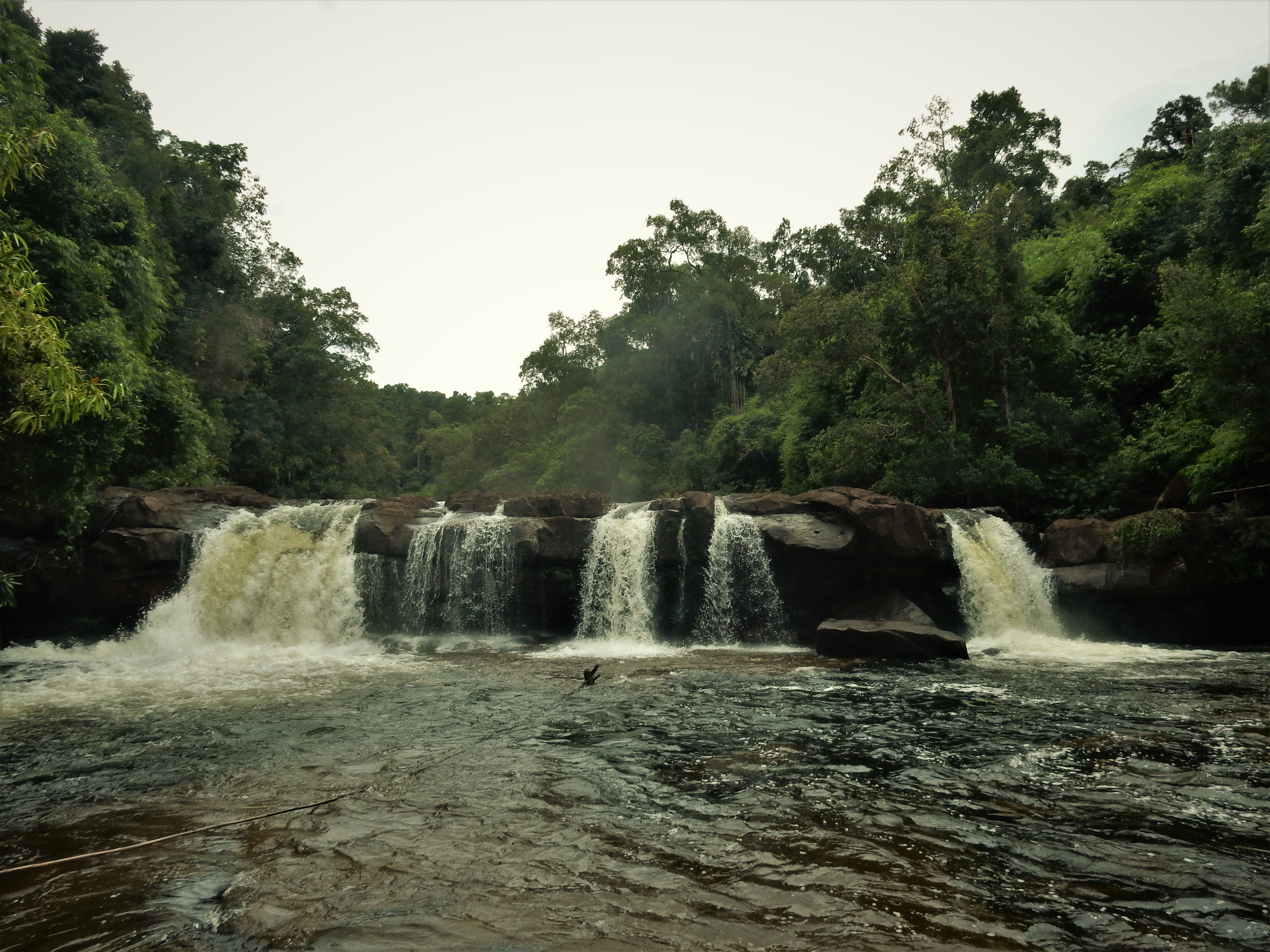
The ultimate reward to our jungle trek
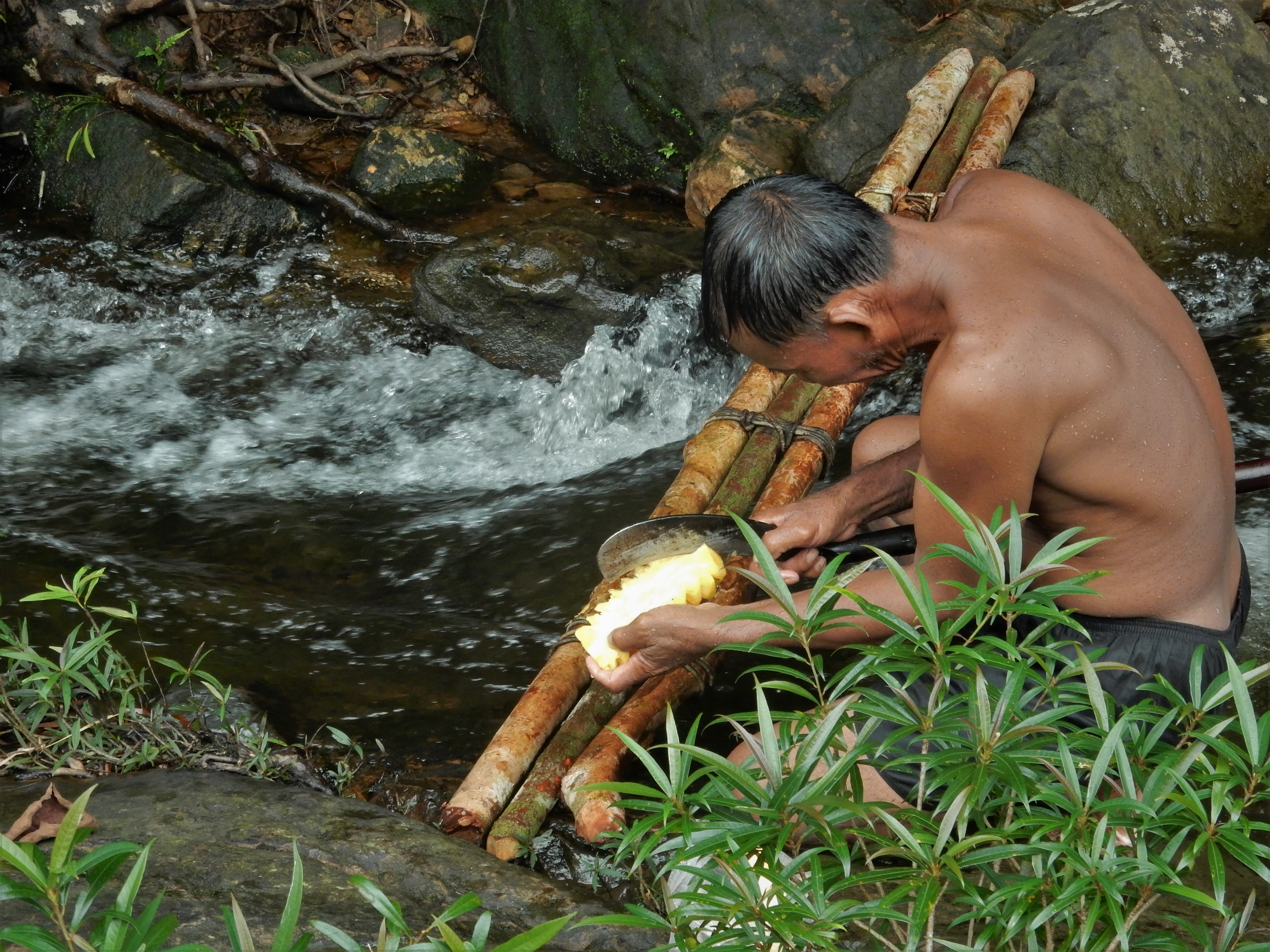
Our guide cutting up a pineapple in a very crafty way
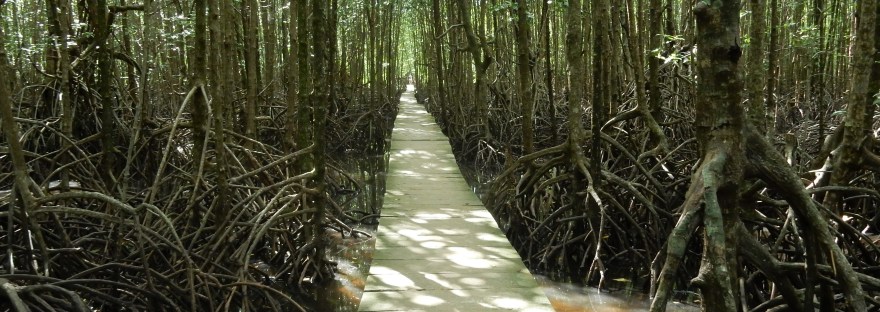
The fee we paid to visit the mangrove forest the next day, led to the same purpose of supporting the environment as well as the local community.
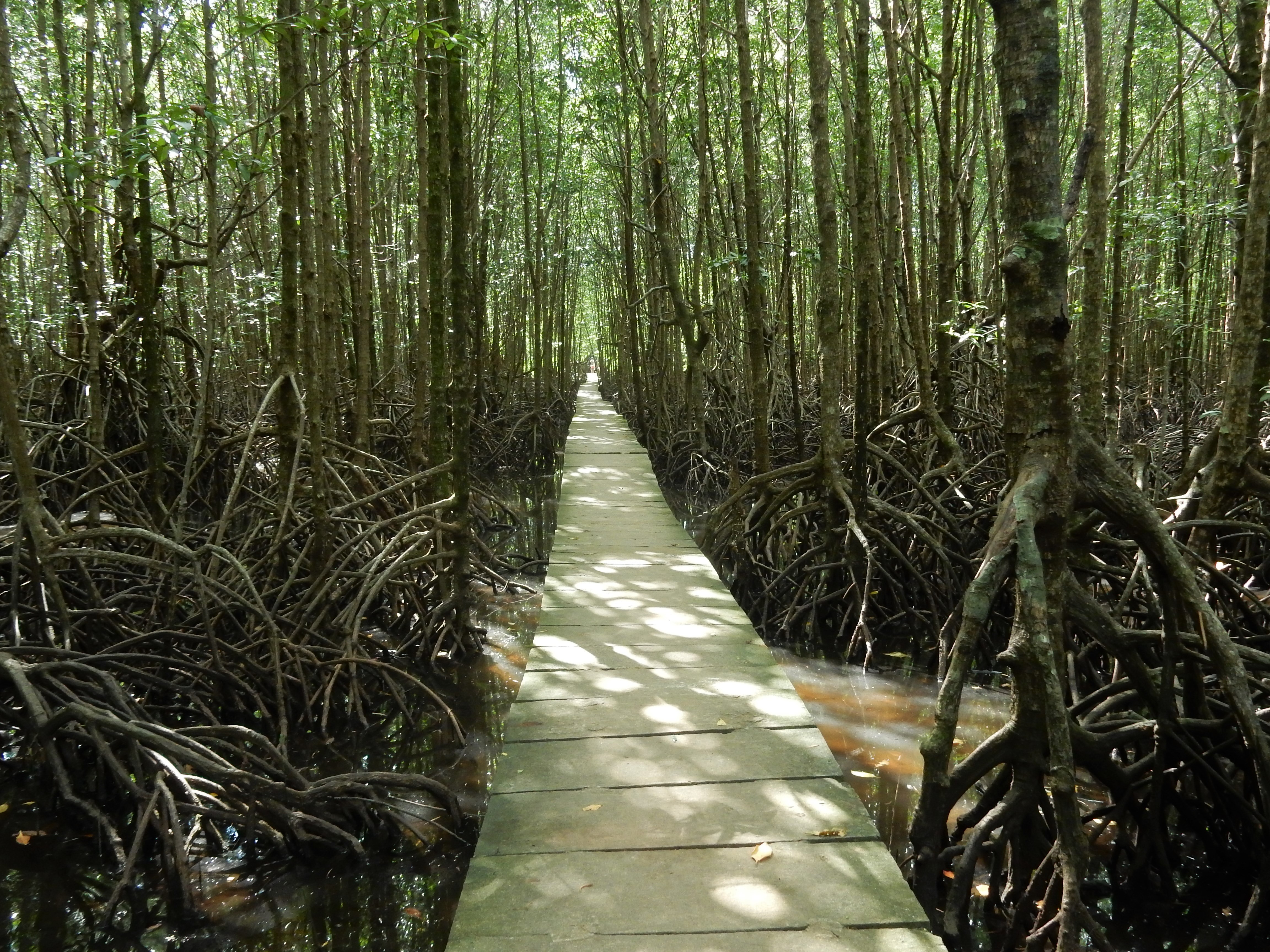
Walking through the mangrove forest
The other sustainable trip that I took in Cambodia was the one I booked with CRDTours (Cambodia Rural Discovery Tours) in the region of Kratie, in the east of the country. They’re a social enterprise, putting all of their profit into development and conservation. A local guide took me on a boat trip on the Mekong river, where we could spot the endangered Irrawaddy dolphin. Despite the misty weather, I saw plenty of them but they were not easy to photograph! Their funny little heads would always appear above the water surface for only a split second and consistently in a spot where I was least expecting them.
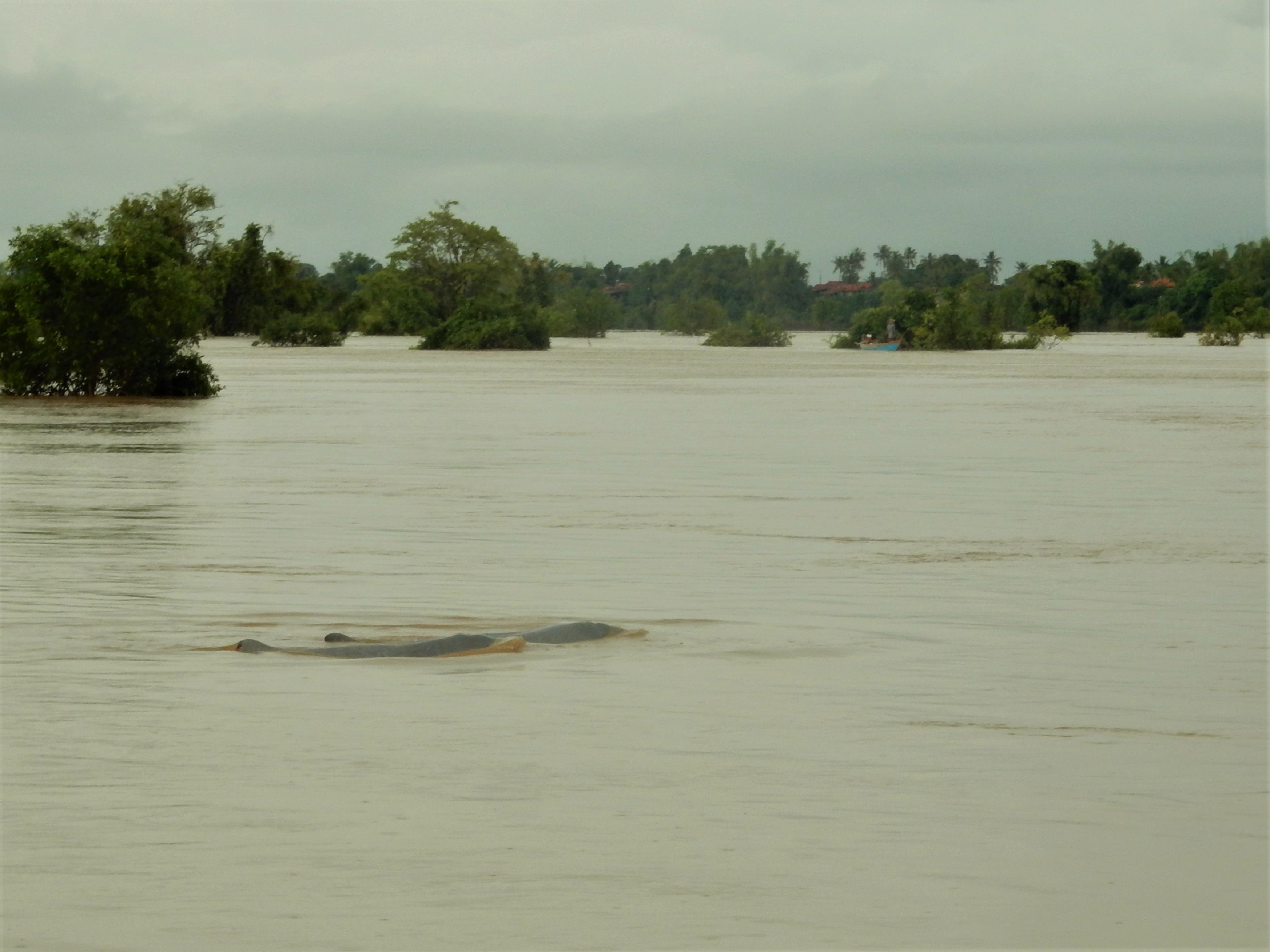
The best picture I managed to take of the Irrawaddy dolphins
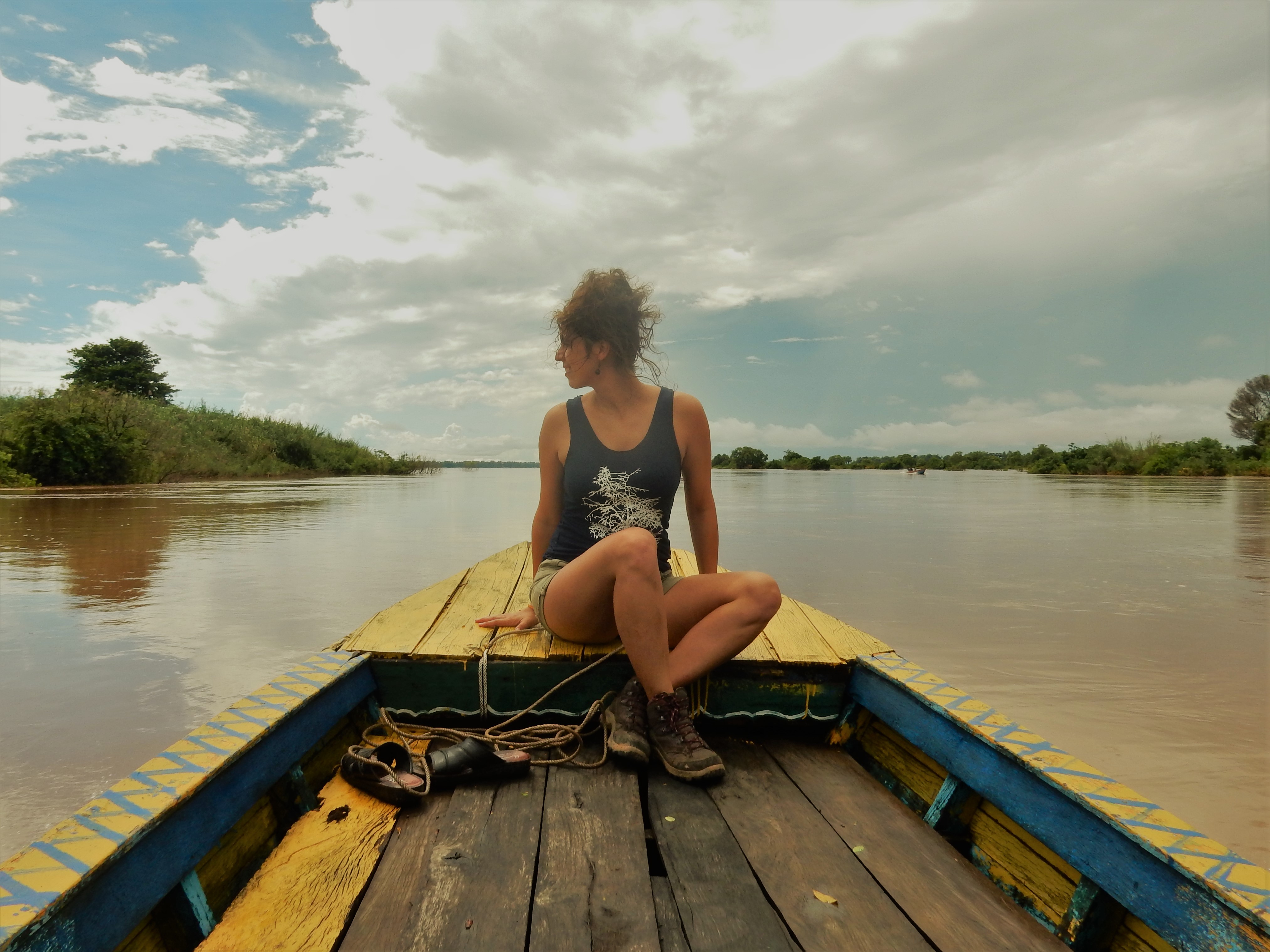
On the boat on the Mekong river, after the weather had cleared up.
 Morgane's Travel Tales
5 thoughts on “From ecotourism to social restaurants: sustainable tourism in Cambodia”