
When my uncle called me on my birthday to officially invite D. and me to come and spend some days at his vacation house in Italy in summer, I was not sure how to react. On one hand, I was very happy with the invitation and I did not want to pass up on the opportunity, but on the other hand, D. and I already had vague plans of going on a trip to Albania. I carefully mentioned this and my uncle, who has worked in the travel industry his entire career, did not see any problem.
“That’s perfect,” he replied, “because Italy is already on the way there. All you will have to do to get to Albania from there is take a ferry in Bari and cross the Adriatic Sea.”
My uncle knows all about my love for overland travel, since him and I met up twice during my no-flying trip to Asia (once in Moscow and once in Bangkok). His argument indeed worked like a charm and the challenge of traveling from Belgium to Albania without flying was born.
Table of contents
- Finding a train connection to Italy
- First leg of the trip: getting to France
- Night train through France
- Arrival in southern France
- Crossing the Italian border
- Arrival in Piedmont
- Taxi in Bari
- Where is the ferry?
- The unconventional ticket office
- Taking the ferry to Albania
- Arrival in Albania
- Practical information
Finding a train connection to Italy
My uncle’s vacation house is in the Piedmont region, which should definitely be reachable by train, I thought. I started doing some research and sure enough, I soon found a high-speed train connection to Turin, from where we could take a local train onwards. But there was one big problem with this option: the cost. Even with an Interrail pass, it was impossible to stay within our tight budget if we used this connection.
There was one big problem with the connection to Turin: the cost.
So I started looking for alternatives. I dug through my favorite train websites (The Man in Seat 61, Trainline, Deutsche Bahn…) to come up with a cheaper solution. For example, I looked at the possibility of going via Munich and making a stop in Venice before traveling westwards again to Piedmont. But that would have taken too much time away from our Balkan travel plans. After having done a ton of research and compared different options, I eventually found something affordable that could work within our timeframe.
First leg of the trip: getting to France
On the first day of our trip, D. and I saw the landscape rapidly passing by our window as the comfortable but packed Thalys train speeded from Antwerp to Paris. We enjoyed the feeling of having left behind the preparations stage and finally starting the actual traveling itself. Because of all the covid restrictions, I’d had a hard time looking forward to this trip, scared as I was of disappointment should it somehow get canceled. But it didn’t: we both tested negative and no extra restrictions were added. It was really happening!
There was a queue when we tried to leave the platform underneath the high ceiling of the Paris Nord train station, since only people with a valid covid certificate were allowed to pass. After we made our way past the control post, we immediately started heading to the subway towards the station of Paris Austerlitz, where we would catch our connecting train in the evening. That’s right, we had booked a night train.
Night train through France
“I’m going home to Nice,” our French compartment companion informed us. D. and I had just spent the afternoon strolling around Paris – once we managed to store our luggage in a locker that only accepts cash, that is – before getting onto the fully booked sleeper train from Paris to Nice. I won’t lie: I had high expectations for this. A sleeper train in Western Europe, and one that appeared to be so popular that it was entirely booked, at that. A crowd of people had entirely filled up the Austerlitz station unglamorous underground platform once it became possible to board the train.
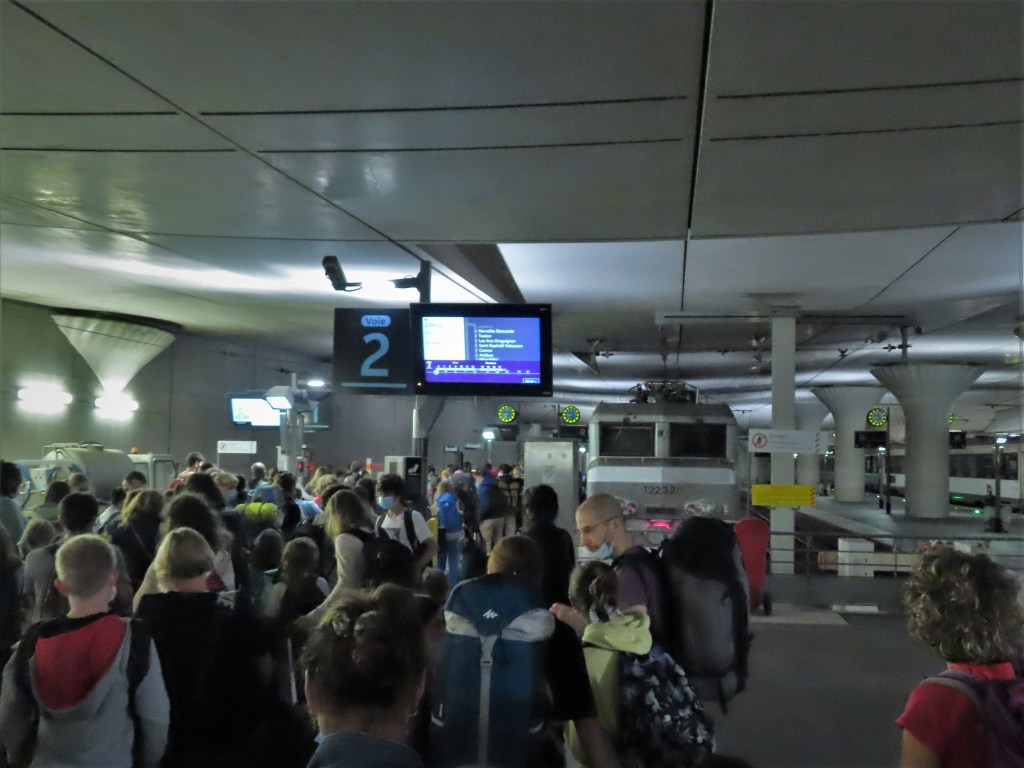
As soon as I stepped into our designated compartment however, I noticed that my expectations would not be met. It looked like a third class compartment instead of the second class that it really was: narrow beds, an even narrower passage in between, a ladder taking up precious space in the middle and three berths on each side. The sleeper trains I had taken in Russia and China had been a lot more comfortable than this one.
“We are on our way from Belgium to Albania without flying,” I replied to our companion, a sympathetic and very soft-spoken guy of about thirty years of age. Interestingly, he seemed to know more about the reason for the disappointing quality of the sleeper train.
“The French railway company SNCF only reinstored this train connection last April,” he explained, “because it is so in demand. They plan on investing in more modern carriages, but for now they use the really old ones to meet the demand.” How eager the SNCF really is to make investments in night trains a priority is not very clear, but the fact that the connection had only been reinstored a few months ago, at least provided some explanation as to why the rolling stock was so outdated. Yet, it was riding out at its maximum capacity (taken into account the covid restrictions of maximum four people per 6-berth compartment).
Slowly but surely, we left the suburbs of Paris behind us as the twilight set in and our train rolled on in a rhythmic cadence, moving deeper and deeper into France. I peered out the window to get an idea of where we were, but under the disappearing daylight it was getting harder to discern the details of the landscape and I knew I had to put my curiosity to rest. After a few hours of interesting conversation, it was time for bed. I was happy I had brought my liner, even though it was still not a very comfortable sleeping situation on the narrow berth with only a flimsy blanket to cover myself. I felt bad for D., who I imagined was even less comfortable without a liner.
Slowly but surely, we left the suburbs of Paris behind us as the twilight set in and our train rolled on in a rhythmic cadence, moving deeper and deeper into France.
Arrival in southern France
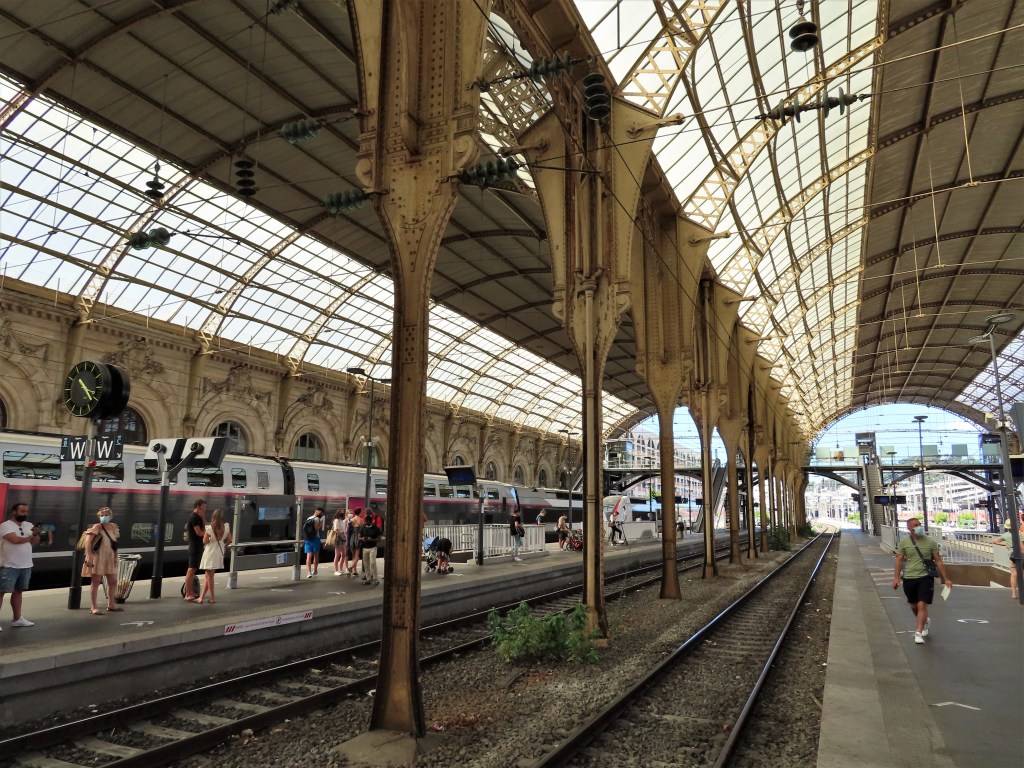
My bladder was about to explode when in the early morning I finally mustered the courage to leave my berth and the compartment, in search for the bathroom on one end of the carriage. As soon as I stepped into the corridor, I was half blinded by the bright sunshine that flooded in through the windows. Palm trees and white houses contrasted against a bright blue sky, providing me with instant happiness. Sure, I did not sleep great, but nowhere else in Paris could I have gone to sleep and wake up to this sight!
It got even better when I was back in the compartment and looked through the window on the other side of the train. The sparkling blue water of the Mediterranean Sea at the Côte d’Azur calmly and graciously greeted us as it accompanied us all the way to Nice, the train’s final destination. Our vacation had now well and truly started. Italy was beckoning.
Crossing the Italian border
It was not long before we caught our connecting train, which was taking us to Ventimiglia, Italy. It was now day two of our trip and while D. took a little nap to recover from his bad night of sleep, I enjoyed the sight of the Mediterranean coastline, which our train followed during pretty much the entire ride. We were so close to it that I could see the waves crashing up on the rocks or people hanging out at little beaches.
In the tiny station of Ventimiglia, we had to change trains one last time. I looked around on the platform to see who would scan our covid certificate, since we had now entered Italy, but nothing of the sort happened. I figured that there was not enough staff to control every single entry into the country and we had chosen a rather unlikely one.
Arrival in Piedmont
My uncle was standing in the central hall of the Savona train station and waved as soon as he caught sight of us. It was a happy reunion and he beckoned us to follow him to his car.
“Have you picked up other visitors here in the past?” I asked, keeping in mind that we were amongst the last of the family to visit them at their Italian house.
“No,” he replied, “you are the first ones to ever have come by train.” How fitting, I thought.
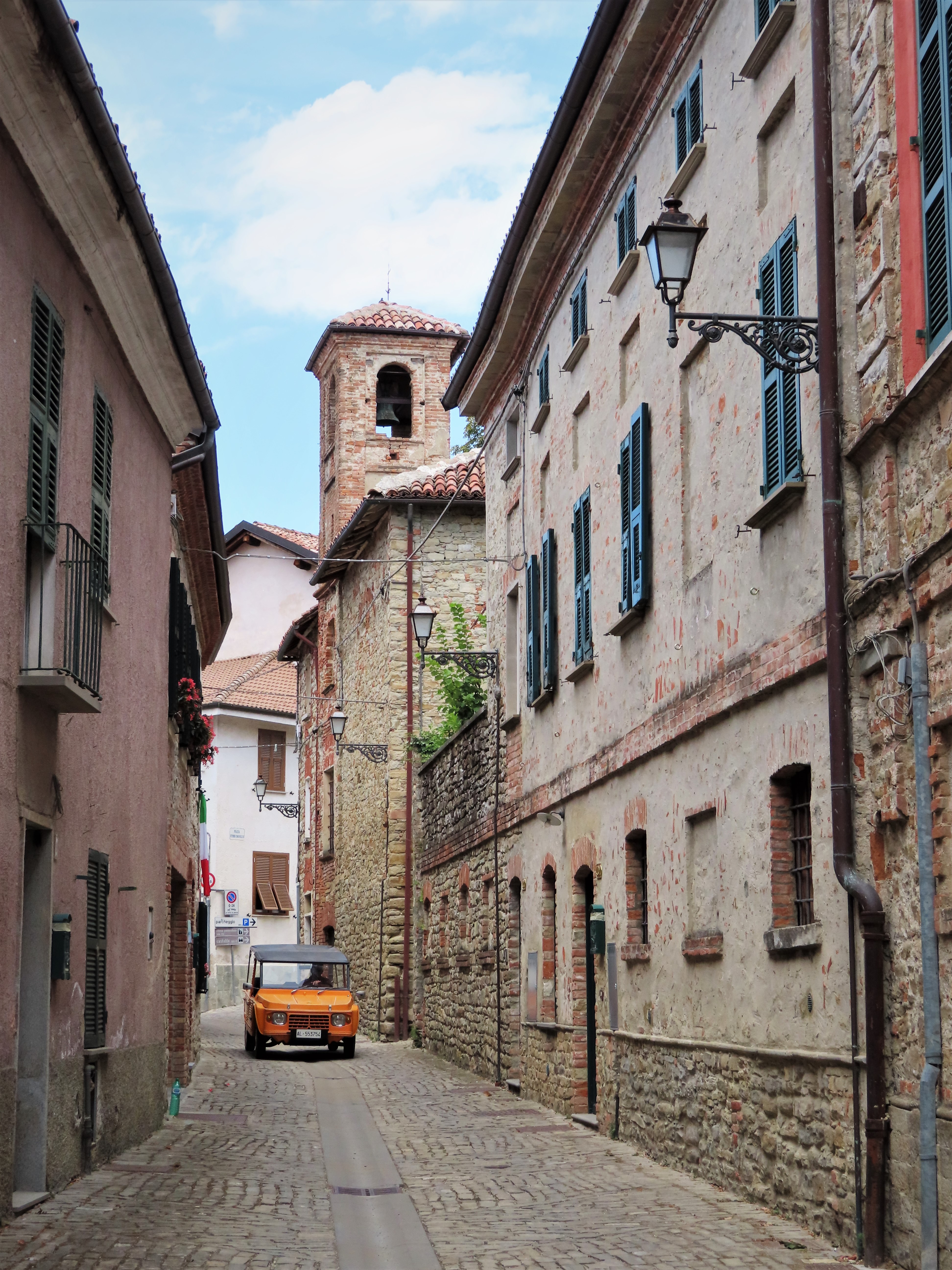
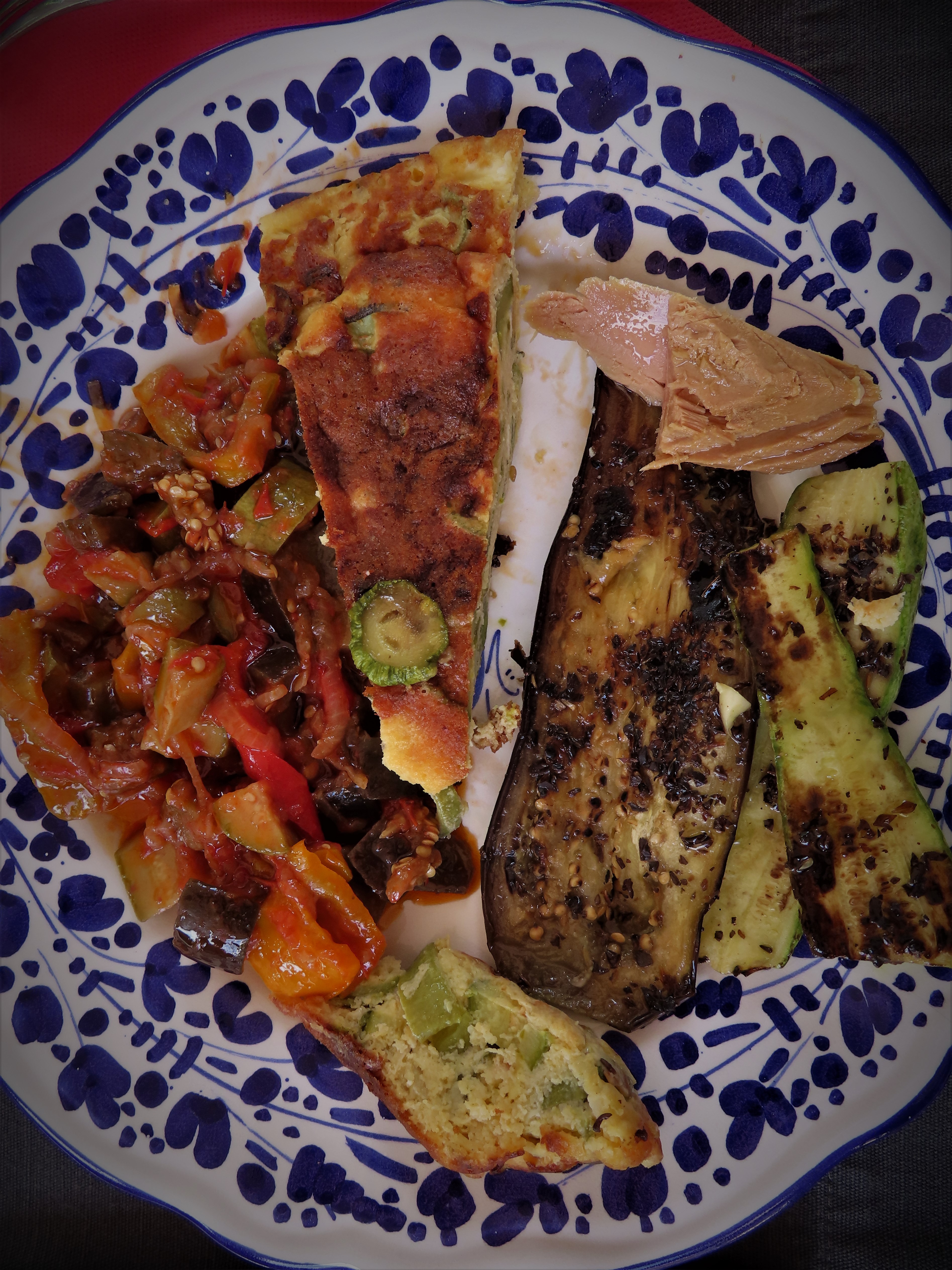
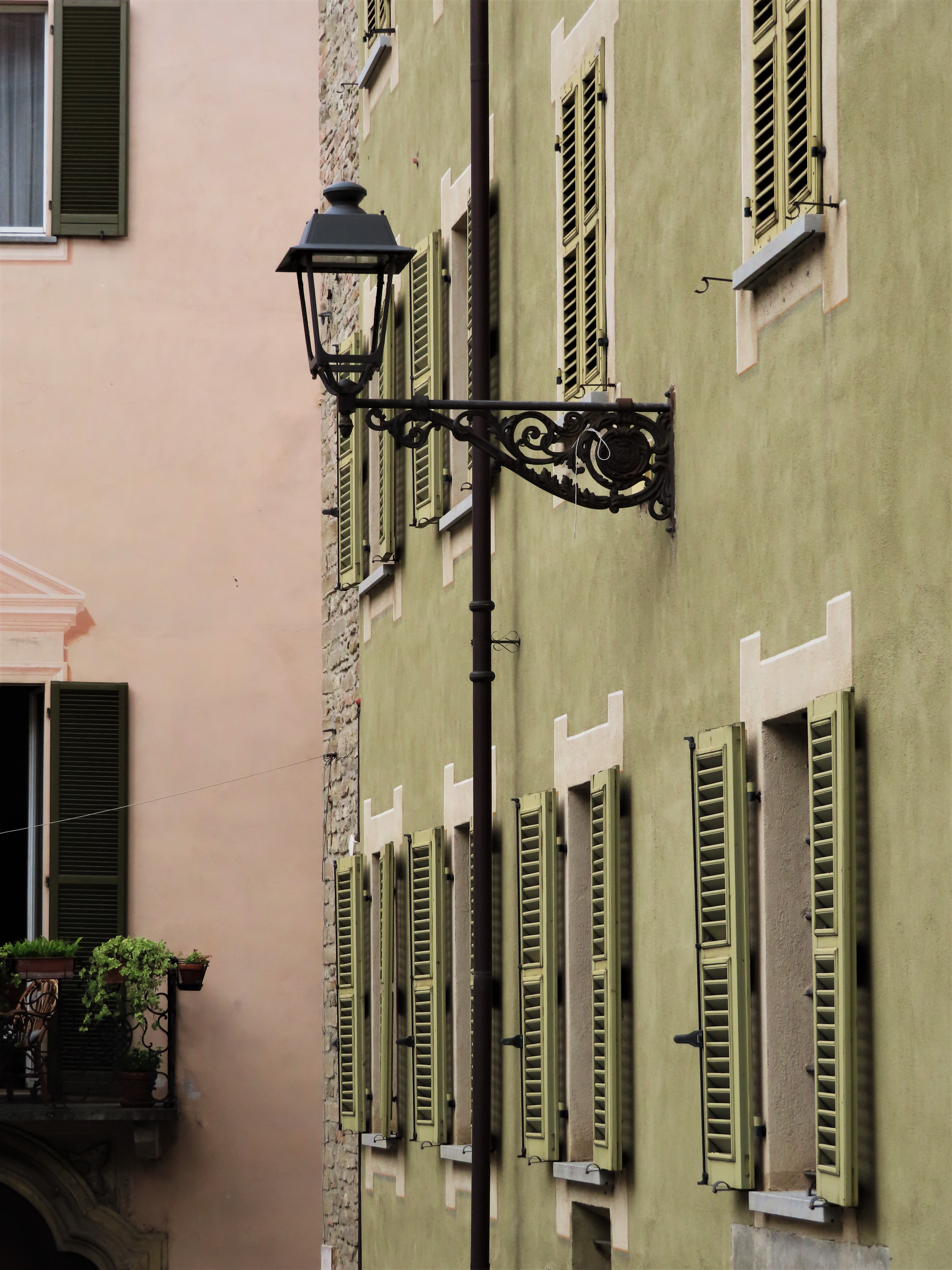
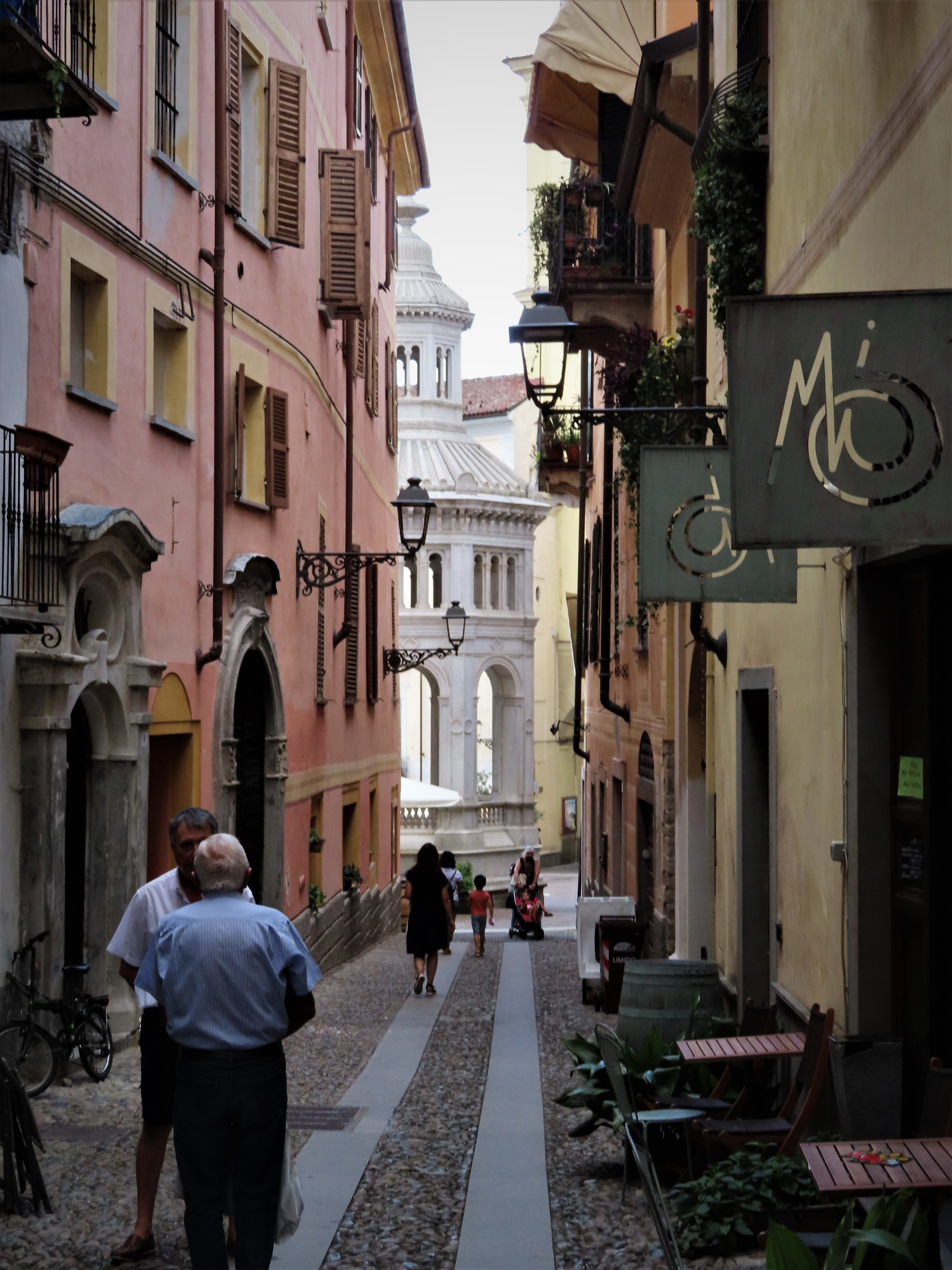
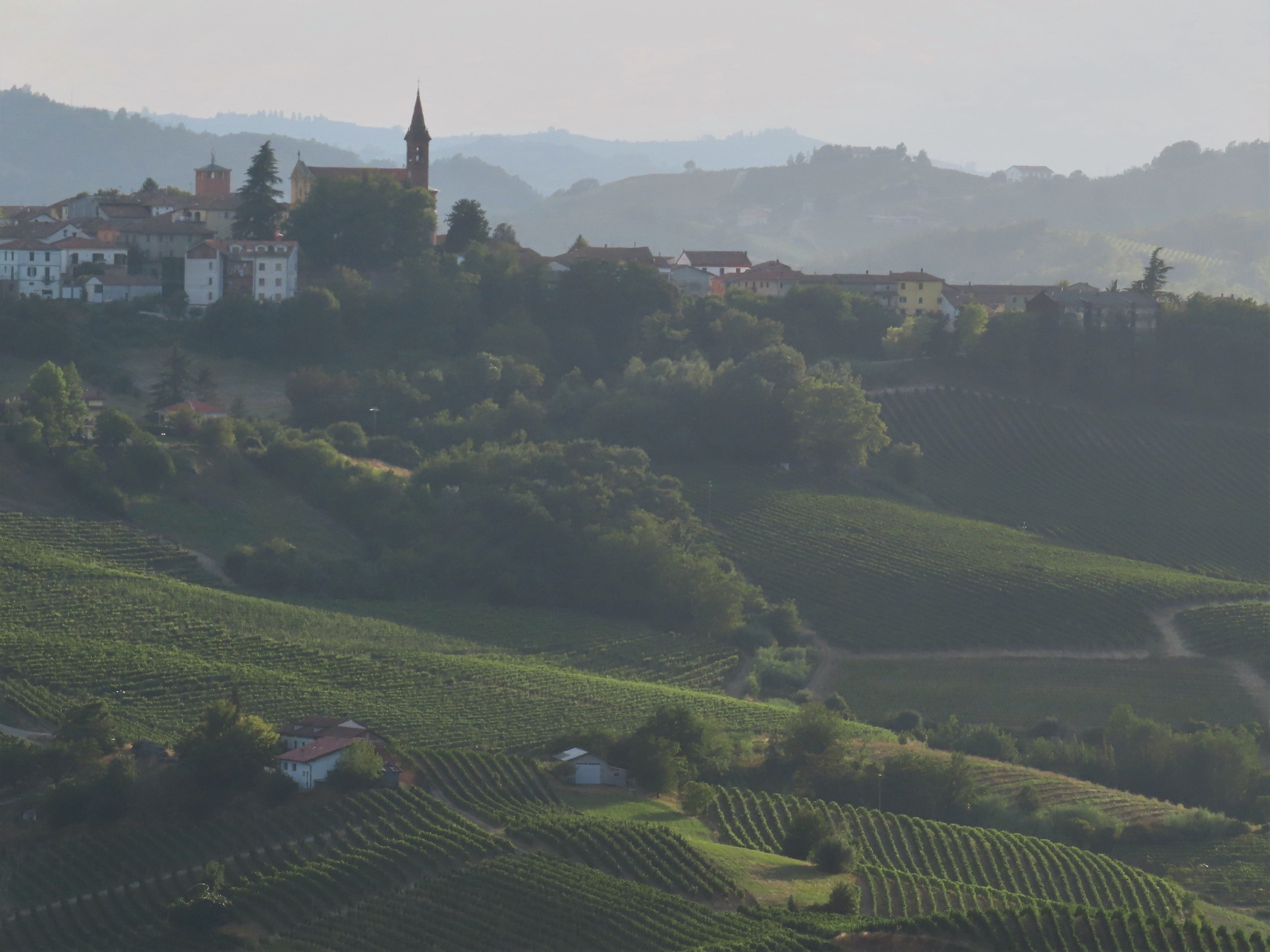
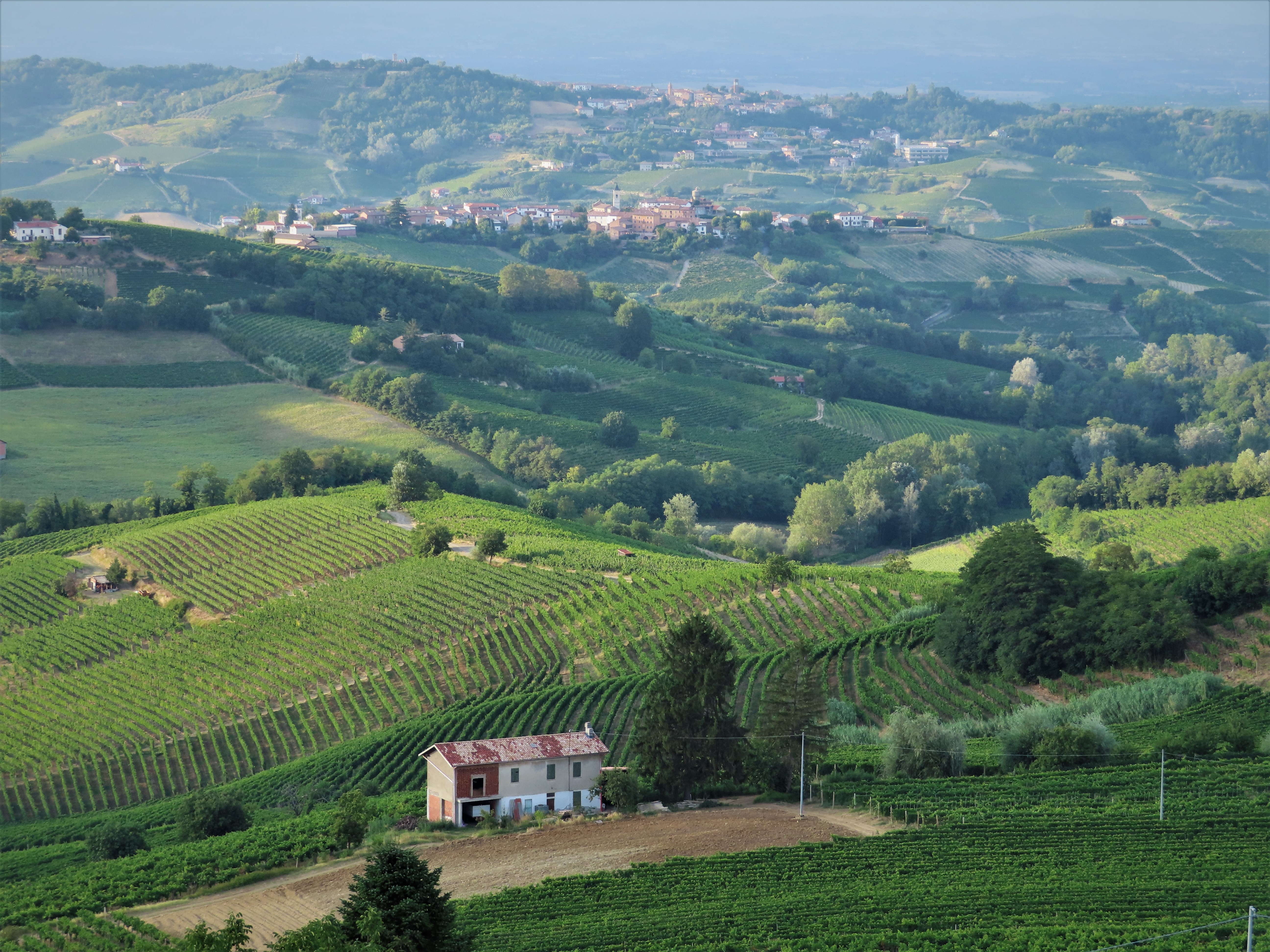
After a one-hour drive, we were welcomed at the vacation house with a lunch that in all its simplicity was nothing short of amazing. The neighbors’ tomatoes, the Sicilian olive oil, the homemade zucchini frittata with balsamic sauce… they all exploded with flavor and tasted even better as we had them on the shaded patio with the idyllic garden view. It was a fitting start to a stay of four lazy days enjoying the good things in life, punctuated by visits to nearby places of interest, like some cute villages, the thermal town Acqui Terme and most impressively, the Unesco World Heritage site of the vineyard landscape of Piedmont.

Taxi in Bari
“We need to get to the port as soon as possible,” I urged the taxi driver in Italian, “we have to take a ferry to Albania and the boarding is about to start.”
“I know where to drive you,” he replied, “but shouldn’t I bring you to the office to pick up your ferry tickets first? It’s two kilometers away from the quay where the ferries leave.”
Confused, I pulled up the email confirmation of our ferry ride on my phone. The email was clearly not a ticket, so the taxi driver might be right. But we were in such a time crunch; would we even make the ferry if we followed his suggestion?
We had just arrived at the Bari train station moments before, but much later than we had planned. Our day had started out right on schedule, though. We had left Florence, where we had spent two and a half days, around noon. The Frecciarossa high-speed train was extremely comfortable and I was happy to change onto another one of those in Rome (a Frecciabianca this time around). While the power outlets charged our devices, we relaxed in snug seats, enjoying the gradually changing landscapes under the burning Italian sun on our way to the south of the country. You might call us crazy, but this train ride was so relaxing and enjoyable that it somehow made for one of the highlights of our trip.
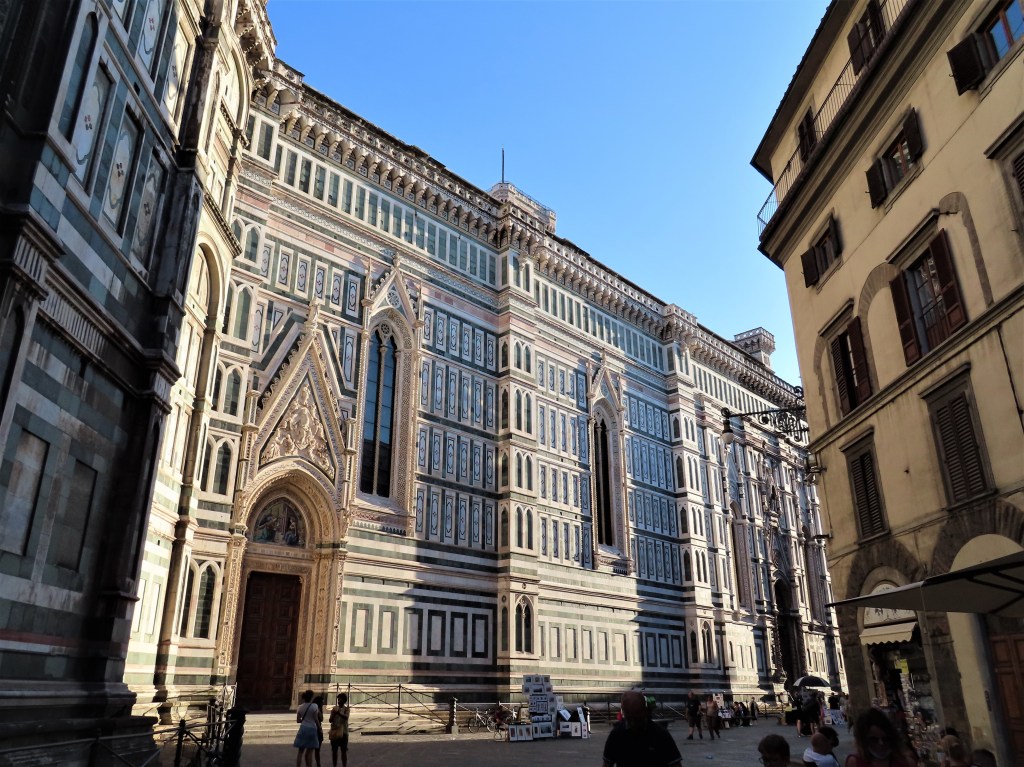
But as we edged closer to Bari, our final destination, we noticed that our train was getting behind on schedule. As the sun above the peaceful fields was moving closer to the horizon, we kept checking the time and noticed that our built-in margin gradually grew shorter. Using public transportation from the train station to the port was already not an option anymore.
“Please drive us to where the ferry departs,” I decided to tell the taxi driver. I could tell that he thought it a silly decision but he agreed nevertheless.
Where is the ferry?
Twilight was setting in as the taxi dropped us off on the quay, where a crowd of people had gathered. This looked appropriate, except that there was no boat waiting on the water. It was 8.30 pm and I had expected people would be boarding by now. Was this the right spot? There were no clear signs and I was anxious to find out, especially since there are multiple companies offering the Bari – Dürres ferry service.
I went over to the man who seemed to represent the ferry company that we had booked with. I spoke to him in basic Italian and quickly found out that this was indeed the right spot, but that our ferry was several hours late.
“Can you speak English?” I asked him in Italian, since I was afraid I wouldn’t understand all the details that he was giving me.
“Ma tu parli italiano!” he replied, slightly agitated, and then continued to speak Italian. Taken aback, I didn’t know whether to take this as a compliment for my Italian skills or to be annoyed at myself for having tried to conceal my lack of those. Unfazed, the man continued to give me explanations about the shuttle to the ticket office.
“Spend some time in Bari,” he concluded, “you don’t need to be back here before midnight.”
The unconventional ticket office
Bari did not disappoint. But before visiting the center, we had to go and pick up our tickets. A little shuttlebus drove us and other ferry passengers to the ticket office, which was nothing like I had expected. The fluorescent lighting made the long row of ticket windows, sheltered only by an awning, contrast harshly against the evening darkness. Many other people were lining up, some of them speaking strange languages. Slightly uncomfortable about the vagueness of the proceedings, we felt a bit lost and intrigued at the same time in the chaos of this unconventional outdoor office, tucked away somewhere in the port of Bari. I wondered who else was headed to Dürres, Albania.
Slightly uncomfortable about the vagueness of the proceedings, we felt a bit lost and intrigued at the same time in the chaos of this unconventional outdoor office, tucked away somewhere in the port of Bari.
“You will receive a free snack in compensation for your ferry being delayed,” explained the woman at the window who handed over our tickets. Amused by this small gesture on behalf of the ferry company, we then put our backpacks on the dark, dirty floor and waited for the return shuttle in the warm evening air. This was the type of unglamorous moment that is inextricably part of going off the beaten tourist path and it made us feel very alive, and therefore happy, to be in that position again for the first time since long.
Taking the ferry to Albania
We were back at the port around midnight. We had spent an intense couple of hours in Bari, with its distinctly southern vibe in the sweltering streets. I had eaten a pizza with cheese, sundried tomatoes and hazelnut spread (you read it correctly, this was actually on the menu and I was curious) on a terrace that took up an entire street, while the buoyant restaurant owner was shouting orders at his waiters running across the place. The difference with Florence in the north was remarkable.

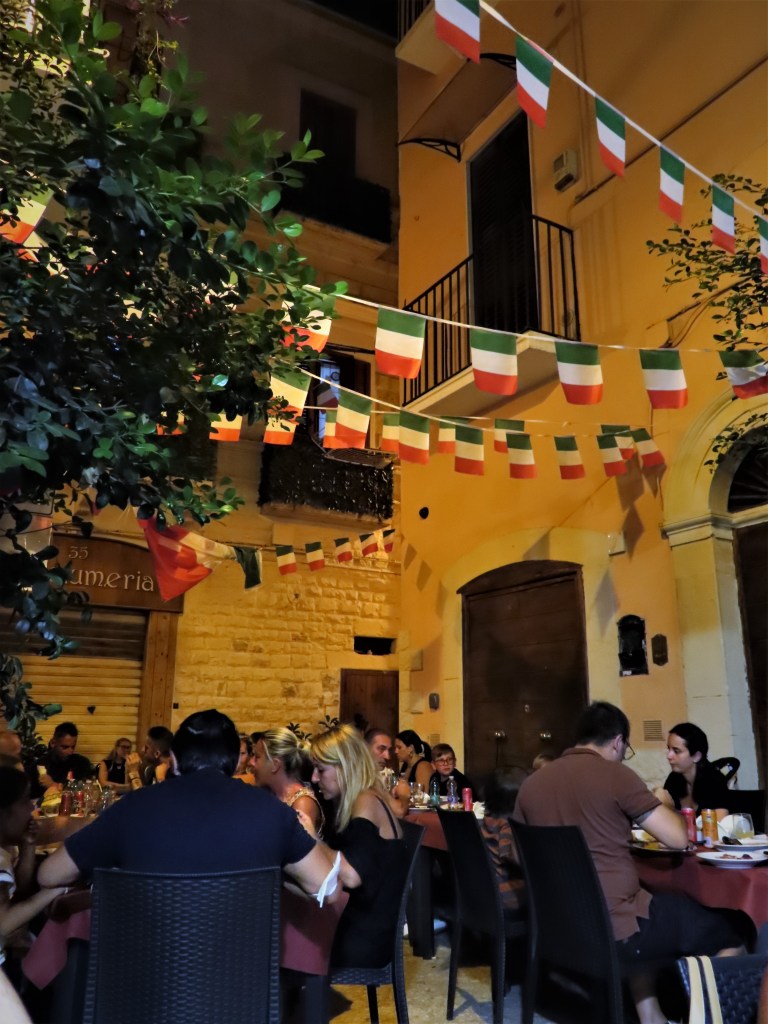
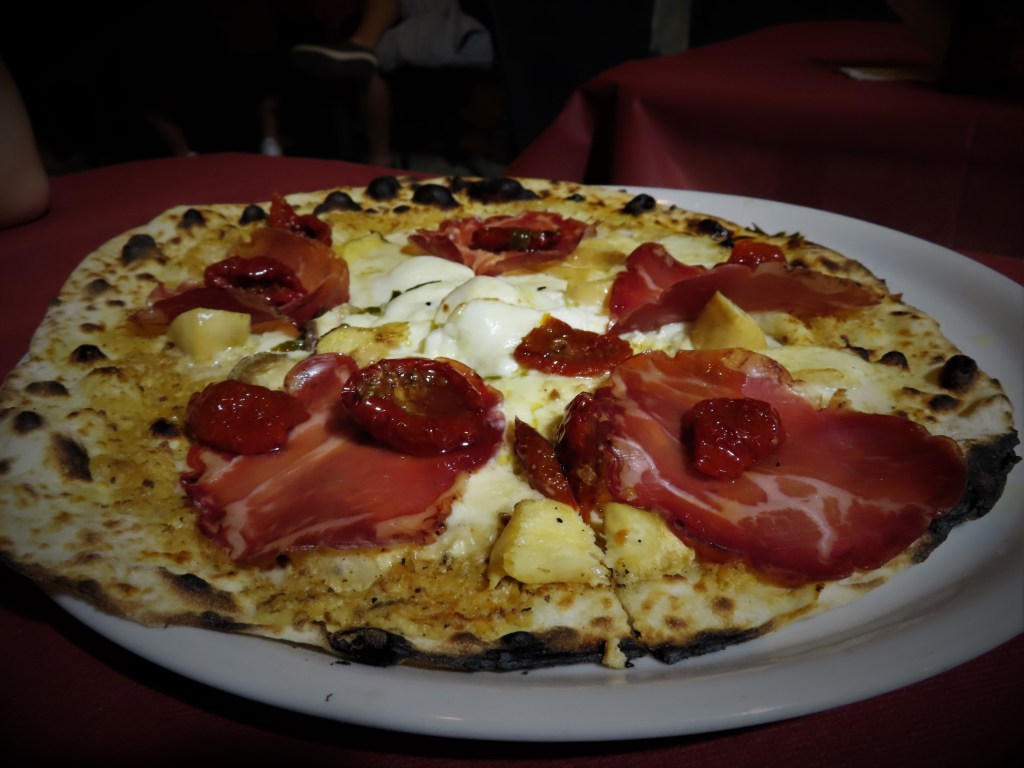
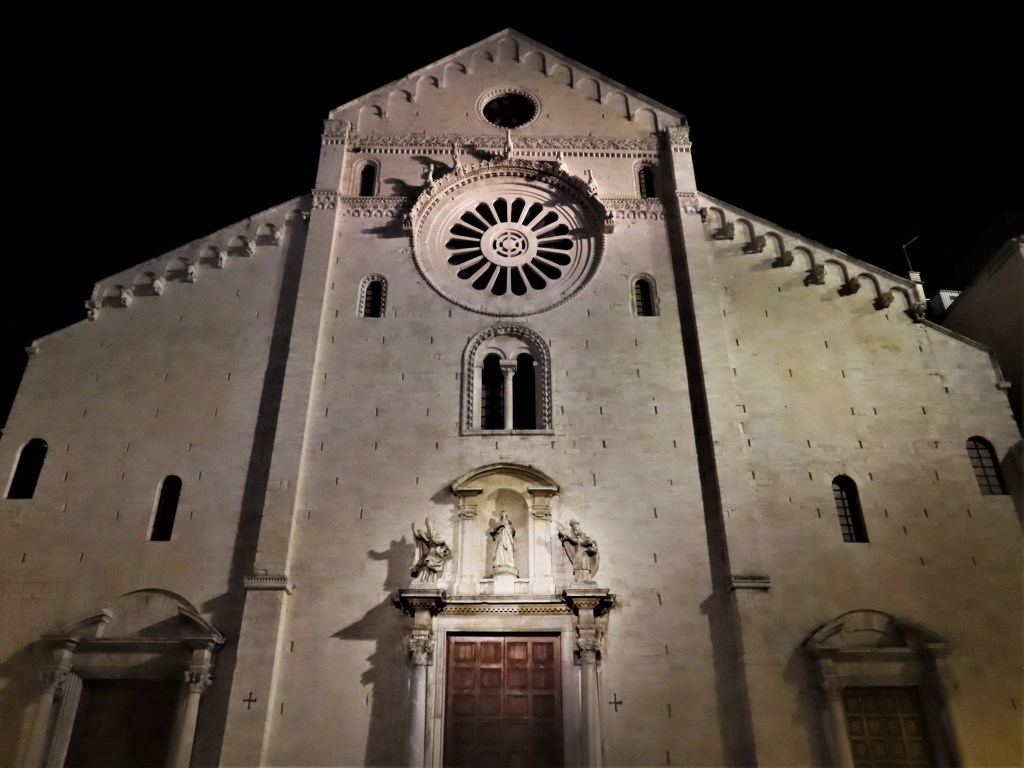
At the port, which was within walking distance from the center, the crowd waiting for the ferry had grown, but the boat was still nowhere to be seen. Waiting was all we could do, however. Two hours crouched by before the crowd became somewhat animated: the ferry had arrived.
For all of the people present to make it through the other side of the building took almost another hour. From there, we had to walk a certain distance along the water to where the boat was anchored. The ferry’s belly lay wide open and the place was buzzing with cars driving into the vessel, while the foot passengers used the same entrance. It was weird to have all of this going on practically in the middle of the night. Once inside, we noticed people making their bed for the night right on the corridor floors, some even with little children. I felt bad for them, since we were on our way to a private little cabin.
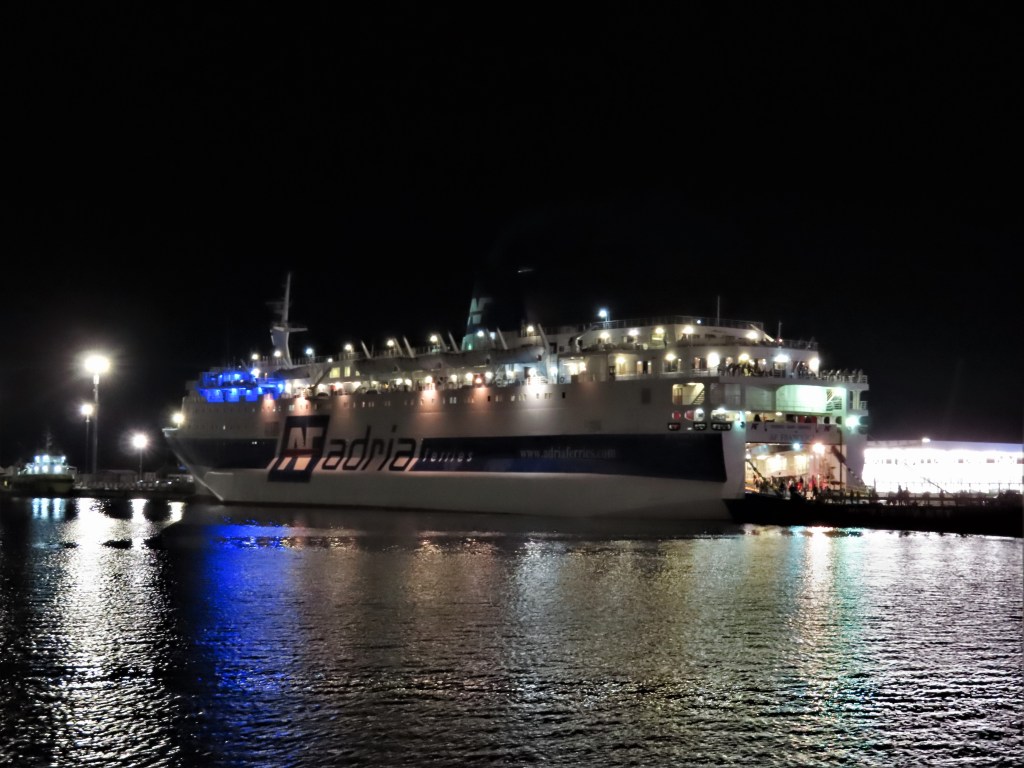
Privacy turned out to be the biggest luxury of the cabin. Aside from that, it was extremely basic and cramped. We did have a very tiny bathroom next to our two bunk beds, with a toilet and a sink. By the time we went to sleep and the ferry started sailing, it was almost 4 am. According to the original schedule, it should have been 11 pm.
Arrival in Albania
An announcement over the intercom woke me up: we were about to arrive in Dürres. I checked the time and it was not noon yet. How was this possible? The ferry must have crossed the sea a lot quicker than normal in an attempt to make up for lost time. We hurriedly started packing our stuff, when we heard some loud knocking on the door.
“Get ready to exit the ferry!” someone shouted on the other side. We had so much been taken by surprise that when we finally made our way to the exit, it seemed like we were among the last people to do so.
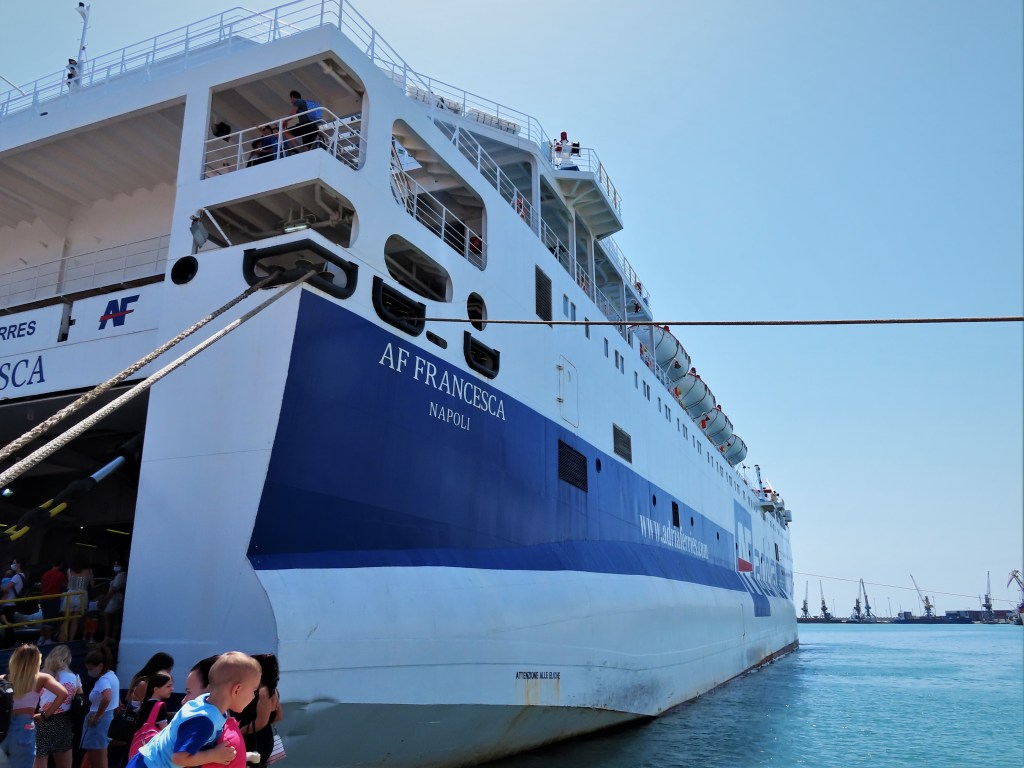
“Passports, please.”
The sun was shining brightly as we had left the ferry, very excited to have arrived on the other side: we had made it from Belgium to Albania without flying! The customs building was only a short walk away. We showed our respective passports and we kind of expected for our vaccination certificate to be looked at as well. That did not interest them, however, and the customs official friendlily allowed us to proceed to the luggage check. As we were about to take off our backpacks, the surveyor put up his hand:
“That’s not necessary, you can just walk through.” Surprised, we did as he told us and the beeping sounds that followed did not seem to cause any sort of alarm on the man’s face.
“Welcome to Albania.”
Practical information
Trains
We both used an Interrail Global Pass (4 travel days within 1 month) for part of our journey. The main reason for this was to limit the cost on the bigger train trips. However, you still have to pay reservation costs on most of those, so I recommend to carefully calculate the difference between using the pass and not using it.
The night train from Paris to Nice was an Intercité de Nuit and the only way I could reserve our berth with the Interrail pass, was by calling the SNCF international phone line. Although this made it not as straightforward for the booking, I have zero complaints about the quality of their service.
The Italian trains that we did not book through the Interrail app, were very easy to book through the website of the Italian railways, Trenitalia, or at the train station. Important sidenote: it’s best to book in advance as the ticket prices go up according to the demand.
Ferry
We booked a private 2-berth cabin on an Adria Ferries boat, through the website Direct Ferries, which was very easy to use. Make sure to book ahead if you want a cabin, especially in high season, because they go fast.
Our exact itinerary
Day 1
Antwerp-Berchem – Paris-Nord (Thalys)
Paris-Nord – Nice (SNCF – Intercité de Nuit)
Day 2
Nice – Ventimiglia (SNCF)
Ventimiglia – Savona (Trenitalia)
Day 6
Acqui Terme – Genova (Trenitalia)
Genova – La Spezia (Trenitalia)
Day 8
La Spezia – Pisa (Trenitalia)
Pisa – Firenze (Trenitalia)
Day 11
Firenze – Roma (Trenitalia – Frecciarossa)
Roma – Bari (Trenitalia – Frecciabianca)
Bari – Dürres (Adria Ferries)
Accommodation
La Spezia: Airbnb – Private room 3 – good (5 min. walk from train station)
Florence: Archi Rossi Hostel – okay (10 min. walk from train station)
Dürres: Hotel Lido – very good
The other nights were spent on the night train in France, at my uncle’s house and on the ferry to Dürres, respectively.
 Morgane's Travel Tales